
Flags of our Fathers
Whát I dó is me: for that I came.

There’s a debate going on right now over on the bird site over which of the following flags is best suited to serve as a flag for the human species:


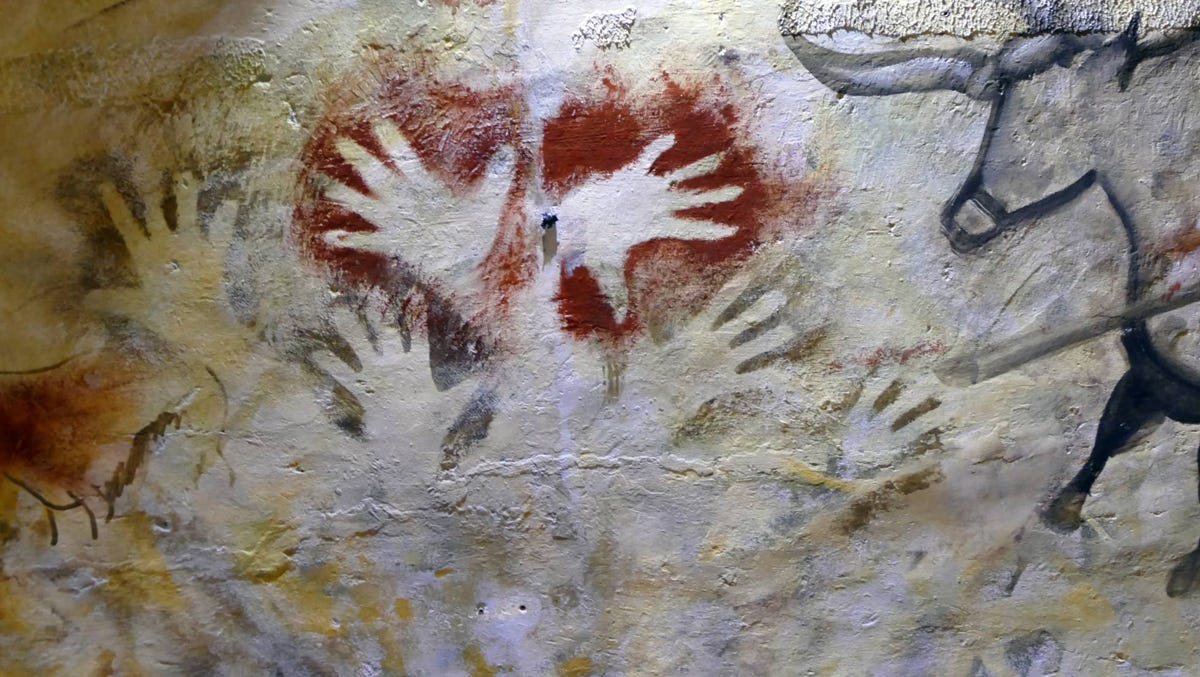
The handprint flag on the left, plainly, is inspired by the negative handprints which adorn Paleolithic caves the world over. The blue flag with radial white lines on the right is a depiction of the stellar map included on the Pioneer Plaques and the Voyager Golden Record, which shows the location of the Sun in the galaxy relative to the positions of fourteen pulsars.
These flags, and the overall discussion surrounding them, were introduced to me through the following tweet:


This user then went on to credit the creator of the pulsar flag, but not the creator of the handprint flag, because he considers it an “abomination.” We will not dwell here on the childishness of not crediting an artist solely because you disagree with their beliefs.
Instead, I want to discuss what each of these flags symbolize, and, more importantly, offer a defense of the handprint flag as the obviously correct choice for our species’ flag, if we are to have one at all.
Before we begin, let us quickly review the general, loose guidelines put out by the North American Vexillological Association for what constitutes good flag design:
Keep It Simple. The flag should be so simple that a child can draw it from memory.
Use Meaningful Symbolism. The flag’s images, colors, or patterns should relate to what it symbolizes.
Use 2 or 3 Basic Colors. Limit the number of colors on the flag to three which contrast well and come from the standard color set.
No Lettering or Seals. Never use writing of any kind or an organization’s seal.
Be Distinctive or Be Related. Avoid duplicating other flags, but use similarities to show connections.
Of course, there are exceptions to all of these rules, but in general they’re pretty decent. Both of these flags pass points three through five, and arguably the first. but only one of them successfully meets the second requirement of symbolizing what it means to be a human.

We will begin with the pulsar flag, which says absolutely nothing of importance about who we are as a species. What does it depict that is relevant in any way to the human experience? Our location in the galaxy is not who we are. We share this little globe with hundreds of millions of other species, most of whom were here and went extinct long before we came onto the scene. In fact, this flag does not even depict our little Earth at all! It only shows our whole vast solar system as a singular point in relation to other cosmic objects which are so inconceivably far and dim that no naked human eye has ever viewed them.
One might argue that the pulsar map symbolizes humanity’s drive to explore, and more specifically to expand outward into space and “conquer the stars”- certainly that is the general sense I get from the discussion of it over on the bird site. But can it honestly be said that such a drive is the defining human experience? Most humans to ever live experienced their whole lives within about thirty miles of their place of birth, with little to no inclination to ever go elsewhere, nor did they have any inkling that the stars were anything other than lesser lights to rule the night. Certainly the history books are chock-full of people who did have an insatiable drive to explore, but for every Columbus and Magellan there were billions of others who were perfectly content to stay at home and bake their bread, raise their children, and tend their flocks. A more accurate narrative account of human history would be a vast tome of pages and pages reading thus:
“On Such-and-Such a date, Mr. — and Mrs. — took their three children for a walk around the neighborhood with their dog, Spot. They said hello to their neighbors as they passed and Mr. — taught his children the names of some of the birds, and they all had a lot of fun.
Further, this territorial drive to expand, allowing that it exists, is far from unique to humanity. Every species on the planet does this to the exact degree it is capable. Are we seriously to equate our core essence to the same impulsive expansion of the microbes that coat every solitary surface that isn’t copper or silver? Or the elephants and big cats that were found on five of the seven continents at the end of the last Ice Age? What of the house sparrow and the Norway rat? And, if I may be permitted to speculate, I’m quite certain that if they had ever evolved sapience, the hadrosaurs who so successfully conquered the world by the end of the Cretaceous would have tried to land on the Moon, too. The fossil record and our current biogeographic scene are replete with globetrotting organisms. So what part of territorial expansion is uniquely human? We only look to other planets as a place to live because we, extremely late in our species’ history, ascertained that we could conceivably go there. That is not true of ~86% of humans to ever live1.
No, whatever else might be said about the pulsar flag, it fails miserably to symbolize anything actually relevant to the human experience. Its overly complex design is almost irrelevant in the face of this- getting a kindergartener to redraw all fourteen of those pulsar lines would be difficult enough, but then try having him explain what those lines mean and why they’re important and relevant to his life. Canada has its maple trees and South Carolina its palmettos; Israel is Jewish and Iran is Shia; the United States is fifty from thirteen and the Iroquois Confederacy are the five beads of Hiawatha’s belt. The entire human species is… uh… the intersection of fourteen pulsars? What are we doing here? Who are we?
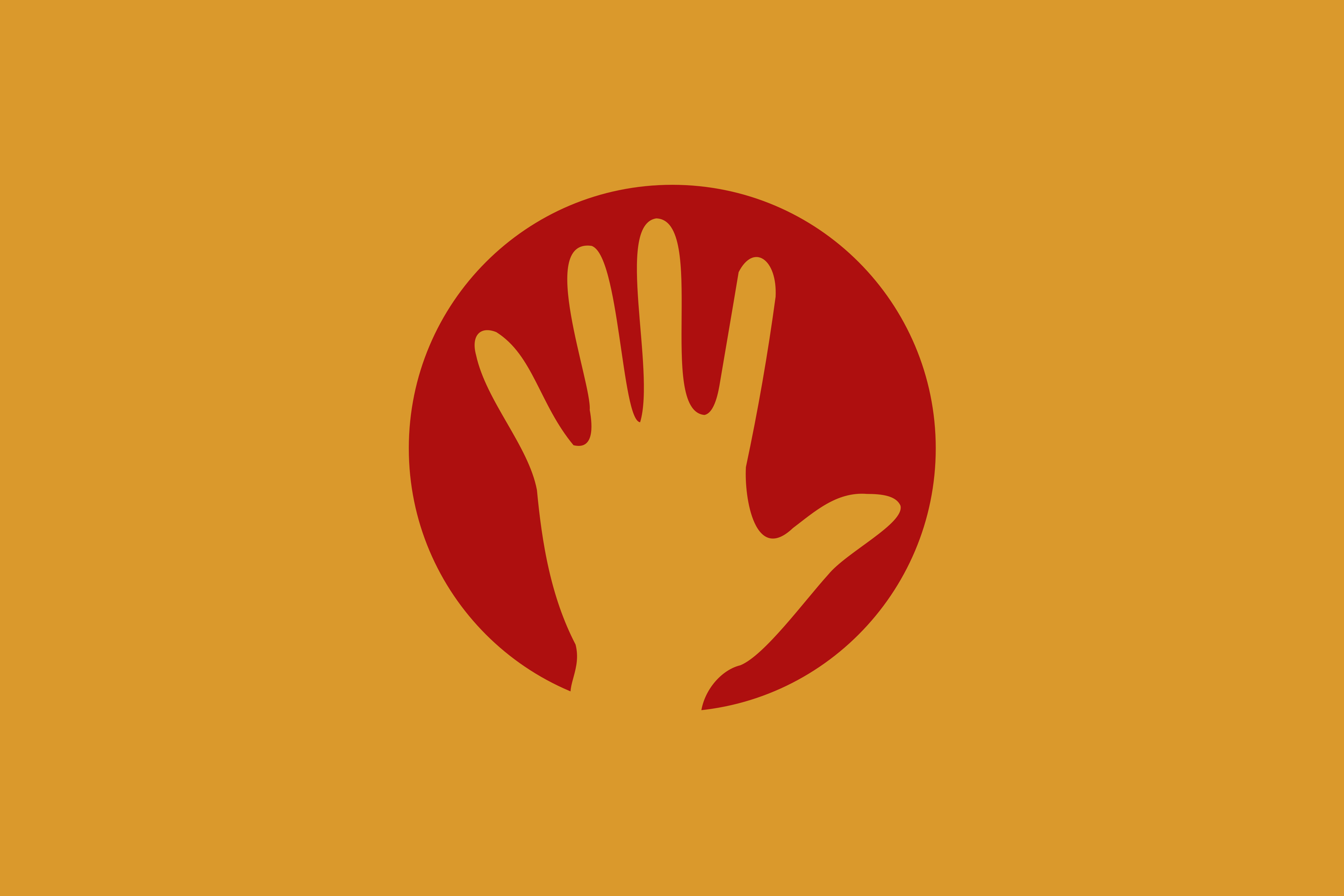
In contrast, the handprint flag is a perfect emblem of humanity. It is not merely a symbol that concisely represents us as a species, though it is that as well. It is a symbol of what we do. Wherever we go, whatever we do, we leave our mark. We have an insatiable urge to shout from the hilltops- “KILROY WAS HERE!”
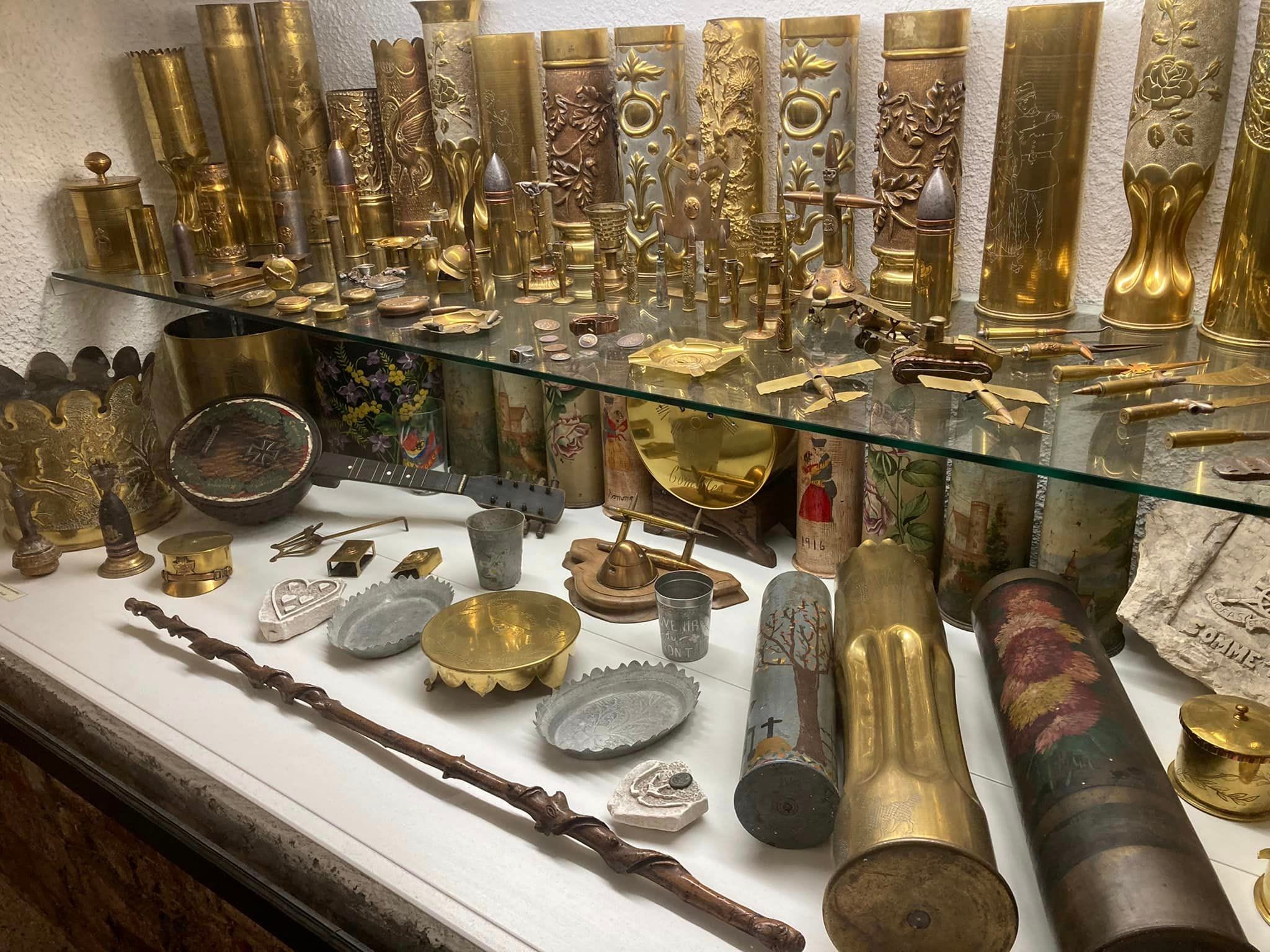
This flag perfectly encapsulates a drive in Mankind that is actually universal- the drive to create, to leave behind something beautiful telling that we were here. Creating art is one of the very first things humans do once we develop fine motor control, and, in the case of many soldiers who died in the trenches of the Western Front in World War I, it is also sometimes one of our last acts in this life. What could possibly be more human than art?
As my friend Doctrix Periwinkle wrote so eloquently in an essay on the subject:
In a world of animals stronger and more agile and more beautiful than we are, the one thing that our species excels beyond all others is in creativity, in our manipulating the physical world with our clever little paws to make pretty things. Monkeys make tools, whales sing, spiders dance, and birds do all of these things, but only humans even attempt to make replicas of pretty things they see, to no practical end whatsoever.
[…]
I think we create because we are mimicking God, try to understand our magnificent universe by understanding what it is to create. We love, because He first loved us, and we create because we were first created.
And that’s another reason the handprint flag is perfect, in contrast to the pulsar flag. It points our souls Upward, towards the transcendent and the Divine, through the act of creation. What does the pulsar flag give us to orient ourselves, our ambitions as a species? Dead, material space to expand out into, no different than a slime mold reaching out for a nutrient drip. That’s all it does. It says nothing of the spiritual. Just a cold map of the stellar neighborhood.
Gerard Manley Hopkins put the union of these two drives- the drive to create, and the drive to be one with Him- perfectly in his poem As Kingfishers Catch Fire:
As kingfishers catch fire, dragonflies draw flame;
As tumbled over rim in roundy wells
Stones ring; like each tucked string tells, each hung bell’s
Bow swung finds tongue to fling out broad its name;
Each mortal thing does one thing and the same:
Deals out that being indoors each one dwells;
Selves — goes itself; myself it speaks and spells,
Crying Whát I dó is me: for that I came.I say móre: the just man justices;
Keeps grace: thát keeps all his goings graces;
Acts in God’s eye what in God’s eye he is —
Chríst — for Christ plays in ten thousand places,
Lovely in limbs, and lovely in eyes not his
To the Father through the features of men’s faces.
What I do is me. For that I came.
This is me-
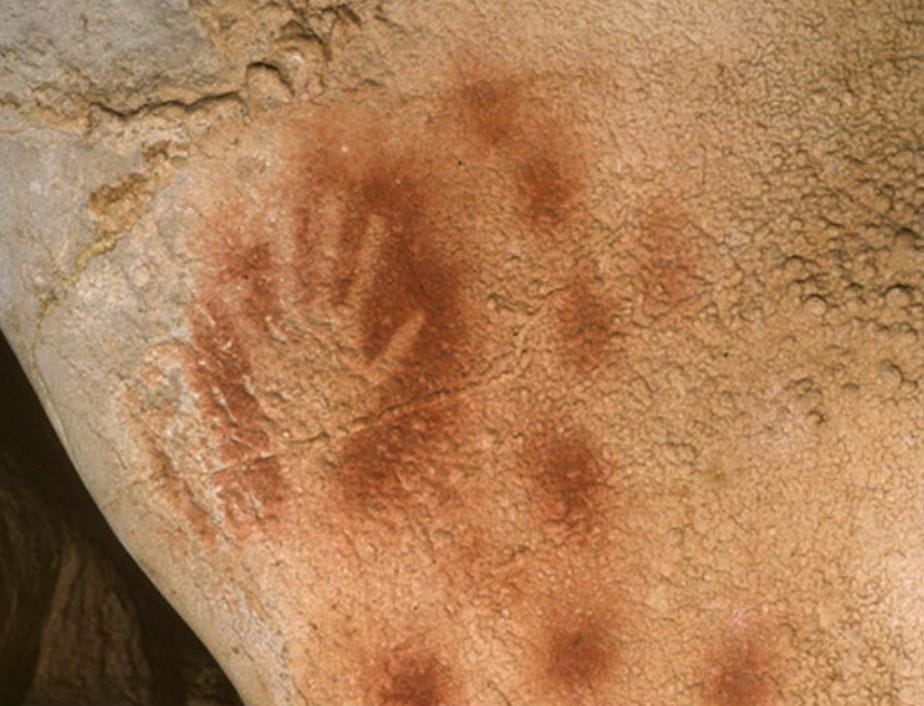
As is this.
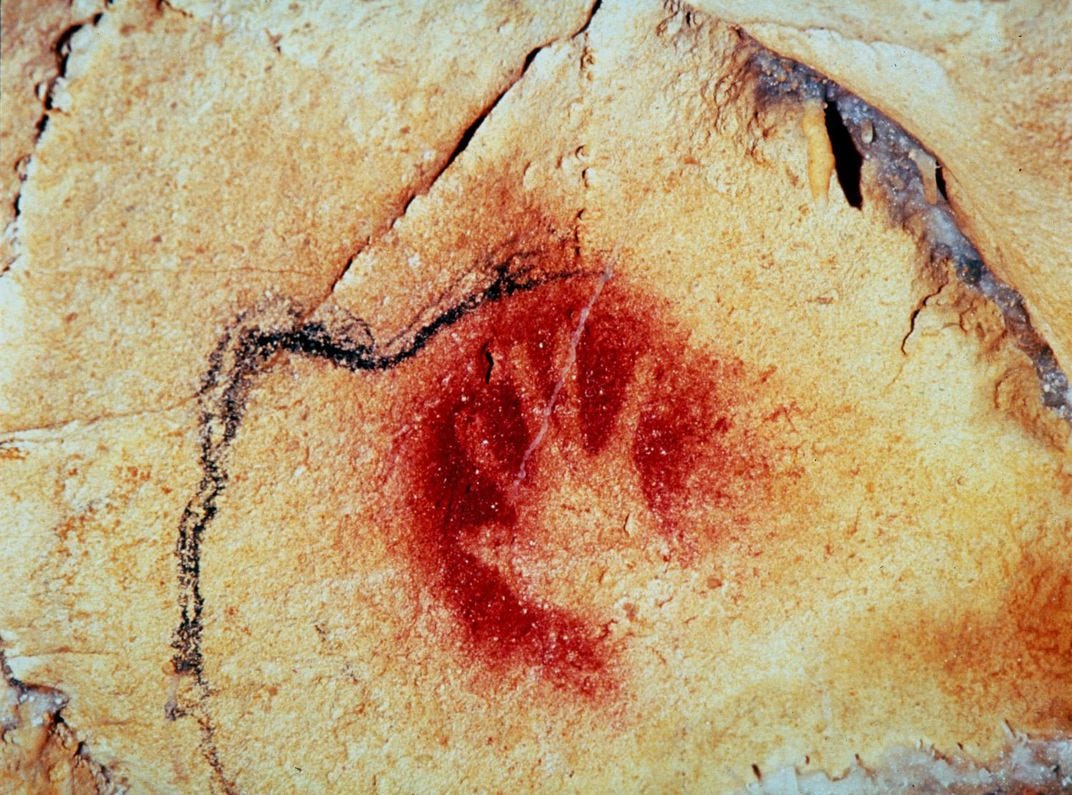
And this.
And this.
And this.
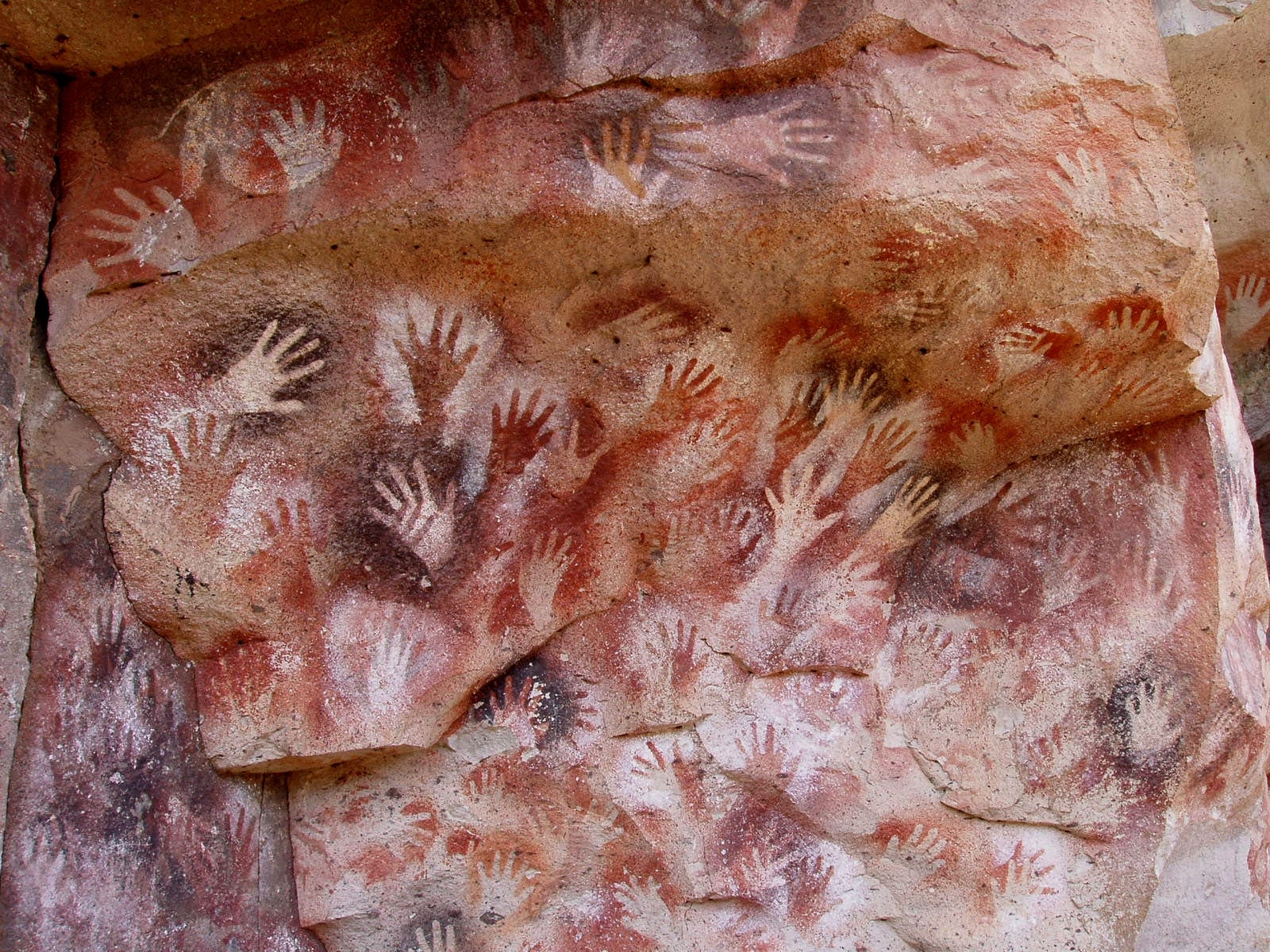
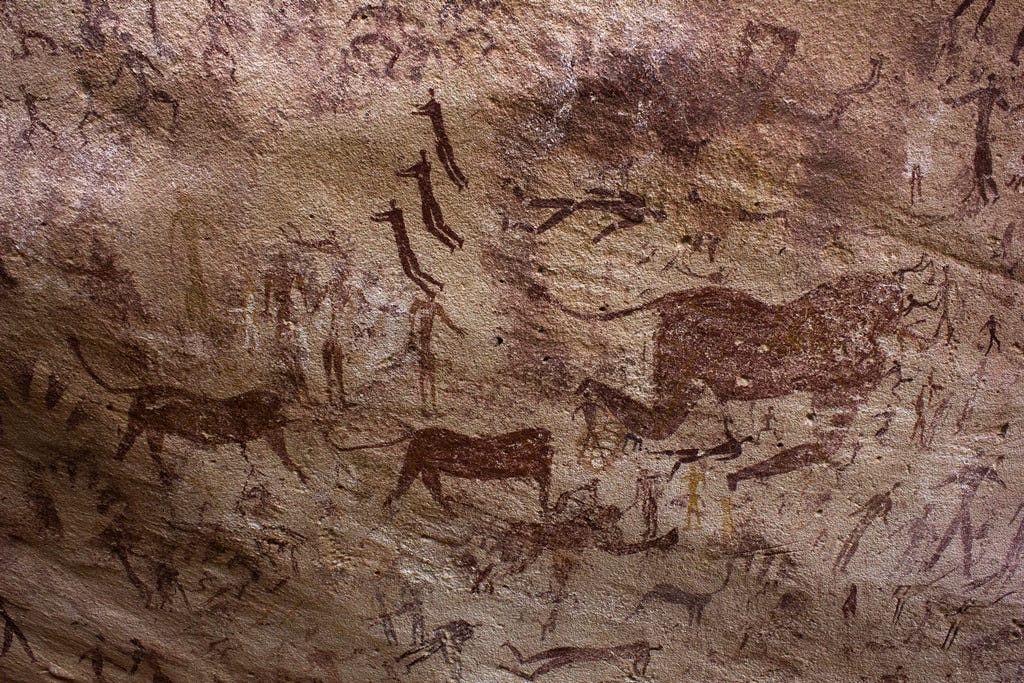
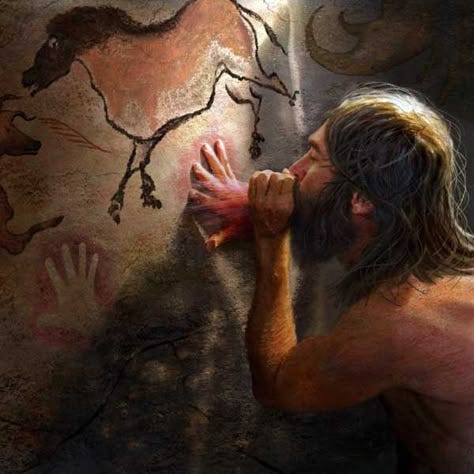
This is us. This is who we are. We are the wall painters. We are the makers of beautiful trinkets. We etch the shells and we carve the ivories and we draw the elk and the rhinos and we mimic the birds and we spill the ink and we hammer out the brass and the bullets and above all else we leave our mark.
I completely and emphatically reject the notion that recent fantasies of space travel are a more common denominator to the human experience than handprint turkeys and fingerpaint turtles. We were painting “this little piggy” on cave walls 45,000 years before Apollo. Ceremonial grave goods go back 430,000 years, right at the blurry outer edge of our own species Homo sapiens and our immediate Heidelberg Man ancestors, back when the axle of the galaxy was likely viewed more as a path of souls than a ponderous wheel of worlds circling other suns. Again I ask- what could be more human?
Indeed, I’ll go even further- the average choppy, amorphous, poorly colored drawing of a child would make a better flag for humanity than the pulsar flag, whether it’s by Onfim or the average American kindergartener of today.


At least Onfim was making an attempt at something with his squiggles and jags. It would have been better by far to eject his birchbark etchings into the void as a message for aliens than the pulsar map. Just the mere location of our parent star would tell any potential discoverer absolutely nothing noteworthy about the makers. Onfim’s drawings, now there’s a starting point for any extraterrestrial anthropologist. Indeed, the images and musical scores included on the Voyager Golden Record itself are far more likely to be relevant to any improbable finders than the pulsar map.
Now, all that said, one thing I don’t particularly like about the handprint flag is the color scheme. The red ocher roundel is fine, but the yellow background is far too dark and doesn’t contrast enough with the red. I understand what the creator was going for, trying to mirror the look of ocher-on-limestone, but it’s much too dim. Other than this quibble, however, I have no complaints and would be honored to be represented by such a flag.
The OP over on the bird site claimed “which of the two flags you prefer says a lot,” and in that I concur completely. I hope I’ve made it clear why.
I am generously considering 1865, the publication date of Jules Verne’s From the Earth to the Moon, as the startpoint for the scientific concept of space travel. It’s extremely difficult to estimate the number of people who have ever lived and died, but it’s generally accepted to be somewhere between 109 and 117 billion. Thus, the number of people who lived between 1865 and today amounts to between 12 and 16% of all people.
Thank you for the very flattering reference!