
Sharks can detect blood in water at concentrations of about one part per twenty five million, roughly one drop in an Olympic swimming pool. An entire nervous system evolved around a single task: find the wounded thing before anyone else does, from miles away.

Right now, in Japan’s bond market, there’s a lot of blood in the water.
On September 3rd, Japan’s Ministry of Finance auctioned 30 year government bonds at a yield of 4.080%, up sharply from 3.937% at the previous sale.
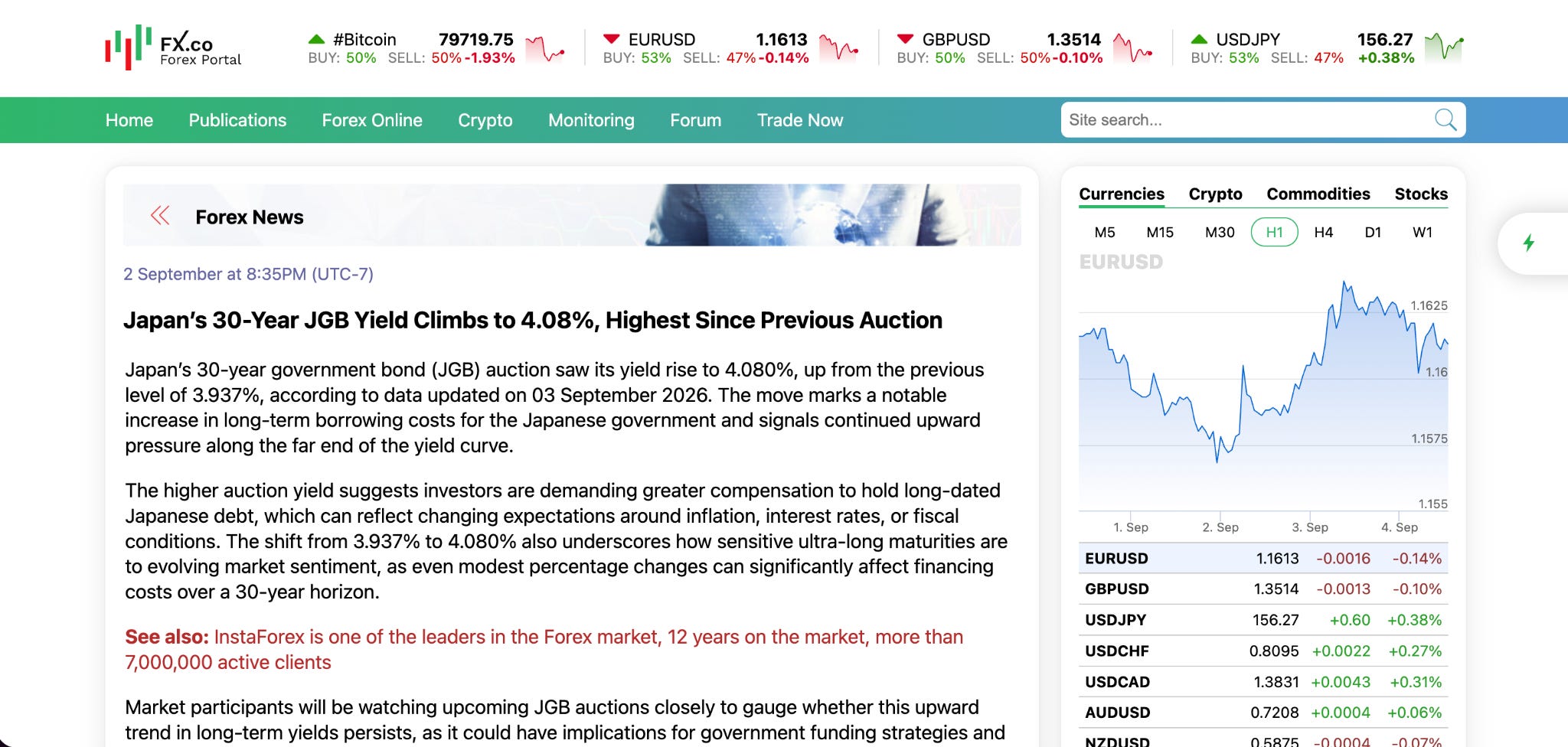
A day earlier, the same bond had traded as high as 4.19% in the secondary market, the highest yield since the 30 year tenor was even introduced back in 1999.
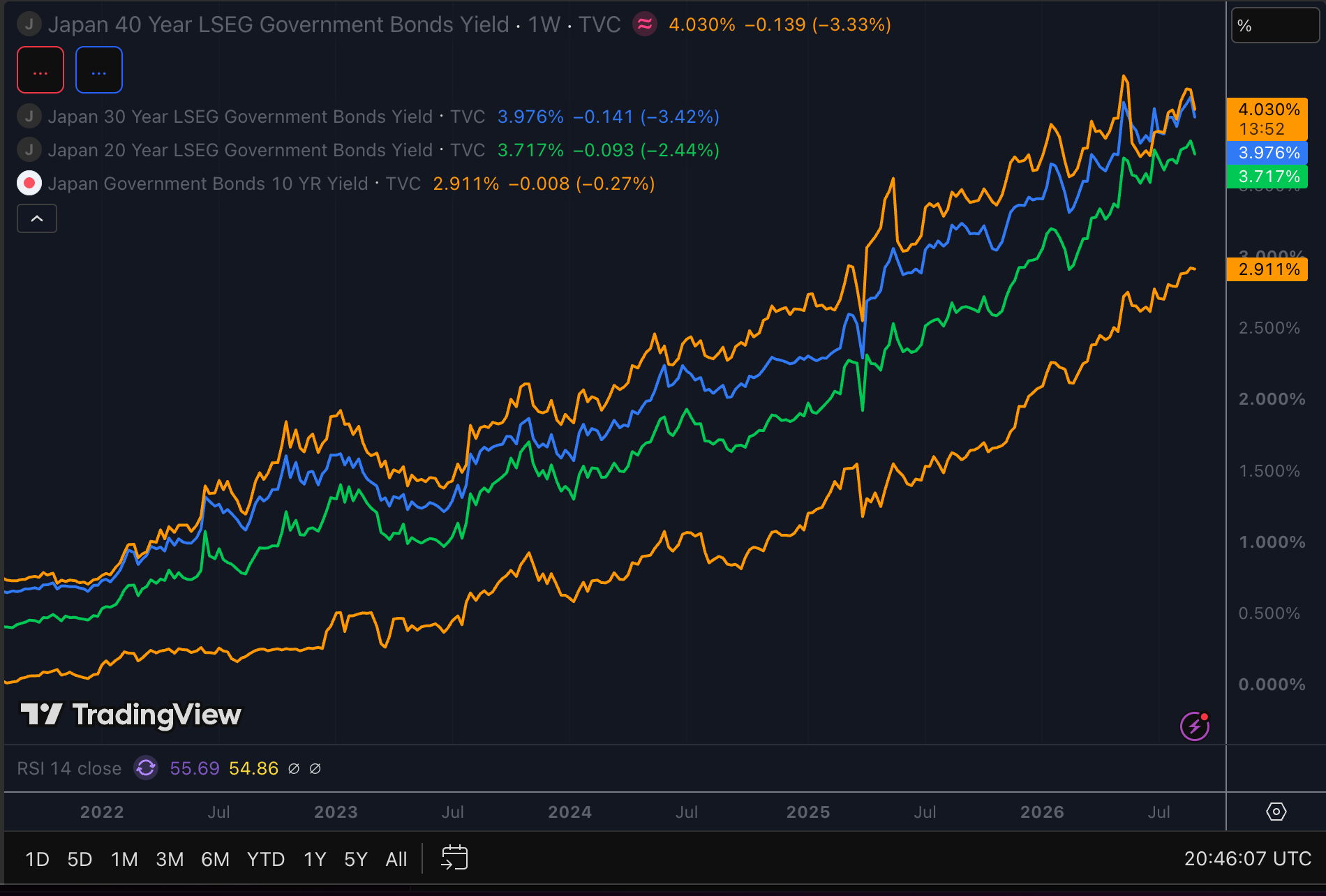
The 10 year note, the one that spent nearly a decade pinned near zero, closed at 3.02%, a level last seen in August 1996.
The entire yield curve has blown out. Here’s the 5 year chart of the 10, 20, 30 and 40 year bond rates.
Everyone already knows Japan has a debt problem.
What’s less understood is the mechanism doing the actual damage right now: three decades of yields held artificially near zero are finally repricing to reflect what they’re worth, and every institution that spent that era loading up on cheap long duration paper is finding out the hard way, all at once.
That same repricing is pushing the rate itself higher.
SPONSOR:
If you’re reading this newsletter, you already believe the dollar is getting debased.
Bitcoin mining hardware is how you get exposure to the fix, without babysitting a rig in your garage.
Simple Mining hosts your ASIC miners in their own Iowa facilities: all-in power as low as $0.07 per kWh, 24/7 monitoring, in-house repair, and your first year of maintenance included free.
The One Big Beautiful Bill brought back 100% bonus depreciation, permanently, for equipment placed in service after January 19, 2025.
Talk to your CPA, then talk to Simple Mining.

Start with a free 7-day trial at simplemining.io/r/roberto
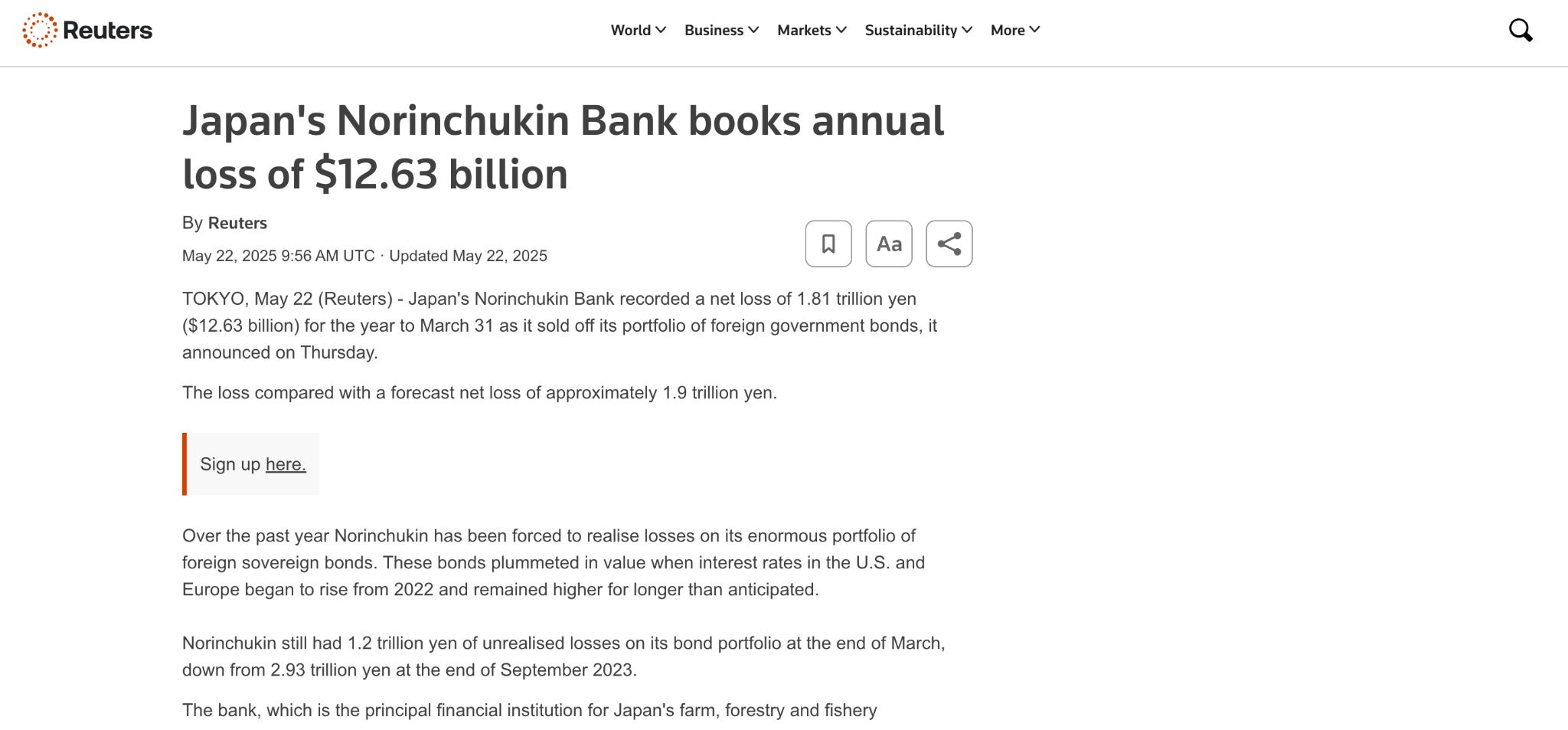
It’s also what just cost Norinchukin another nine figure mistake in two years, forced Japan’s largest insurer into its first impairment charge in over a decade, and left the world’s biggest pension fund quietly absorbing bond losses behind a wall of stock market gains.
For the better part of a decade, the Bank of Japan was a price insensitive buyer that made the JGB market behave like a rigged game: yield curve control pinned the 10 year near zero, and anyone betting against it got run over.
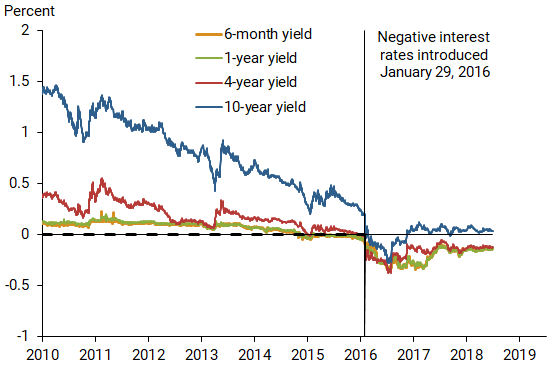
That regime is gone.
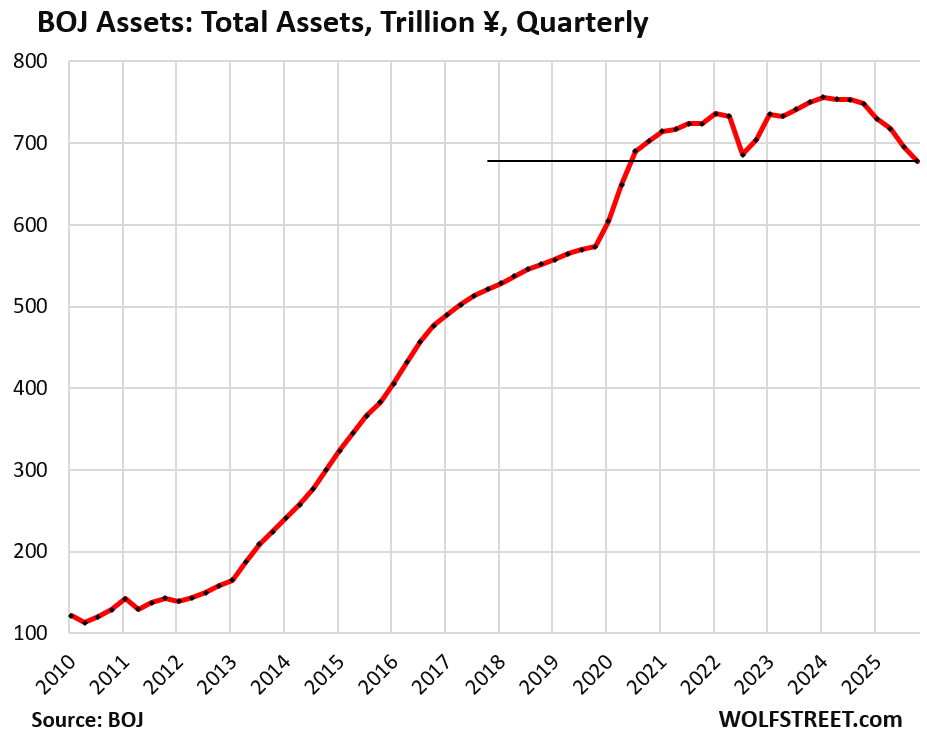
The BOJ has been tapering its purchases steadily since 2024, and it now owns meaningfully less of the market than it did at its peak.
When the one buyer that never cared about price walks away, the buyers left standing start demanding a real one, and the repricing has been violent precisely because it had three decades of suppressed volatility to catch up on.
Prime Minister Sanae Takaichi’s government has floated an economic investment program in the neighborhood of ¥370 trillion,roughly $2.3 trillion, spread over 14 years, and budget requests from government ministries have reportedly reached a record high heading into the current cycle.
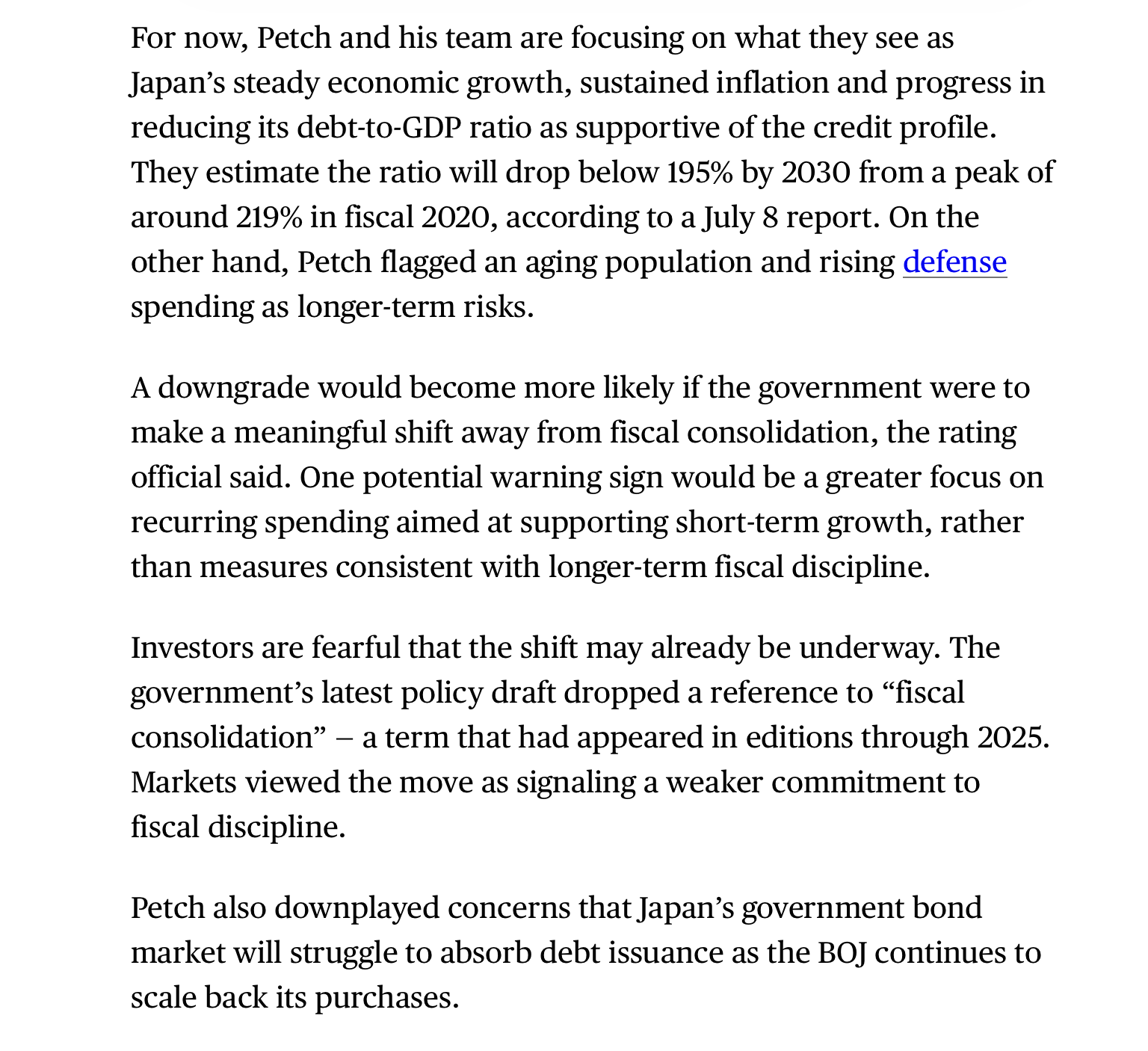
Investors read expansionary fiscal policy from a government already running roughly 260% debt to GDP, the highest in the developed world, as a promise of more issuance.
More issuance from an already overloaded borrower means investors demand a bigger premium to hold the paper, and the jump in Thursday’s auction yield versus the prior sale is that premium showing up in real time.
It’s not an isolated data point either: the previous two 30 year auctions had drawn relatively strong demand, which makes this week’s weaker result a genuine signal rather than noise.
Then there’s inflation, which is doing something in Japan it hasn’t done in three decades: refusing to go away.
Japan imports more than 95% of its oil, and the ongoing conflict in the Middle East has pushed energy costs, and headline inflation, persistently above the BOJ’s 2% target.
Real yields have to rise to compensate for that, whether the central bank wants them to or not.
The Bank of Japan ended negative rates in March 2024 and has climbed steadily since: 0.25% by mid-2024, 0.75% by December 2025, the highest level since 1995 at the time, and 1% by June 2026, the highest since 1995 outright.
The board held there through its July meeting, voting 8 to 1 against a further move to 1.25%. That’s where things stood until this week.
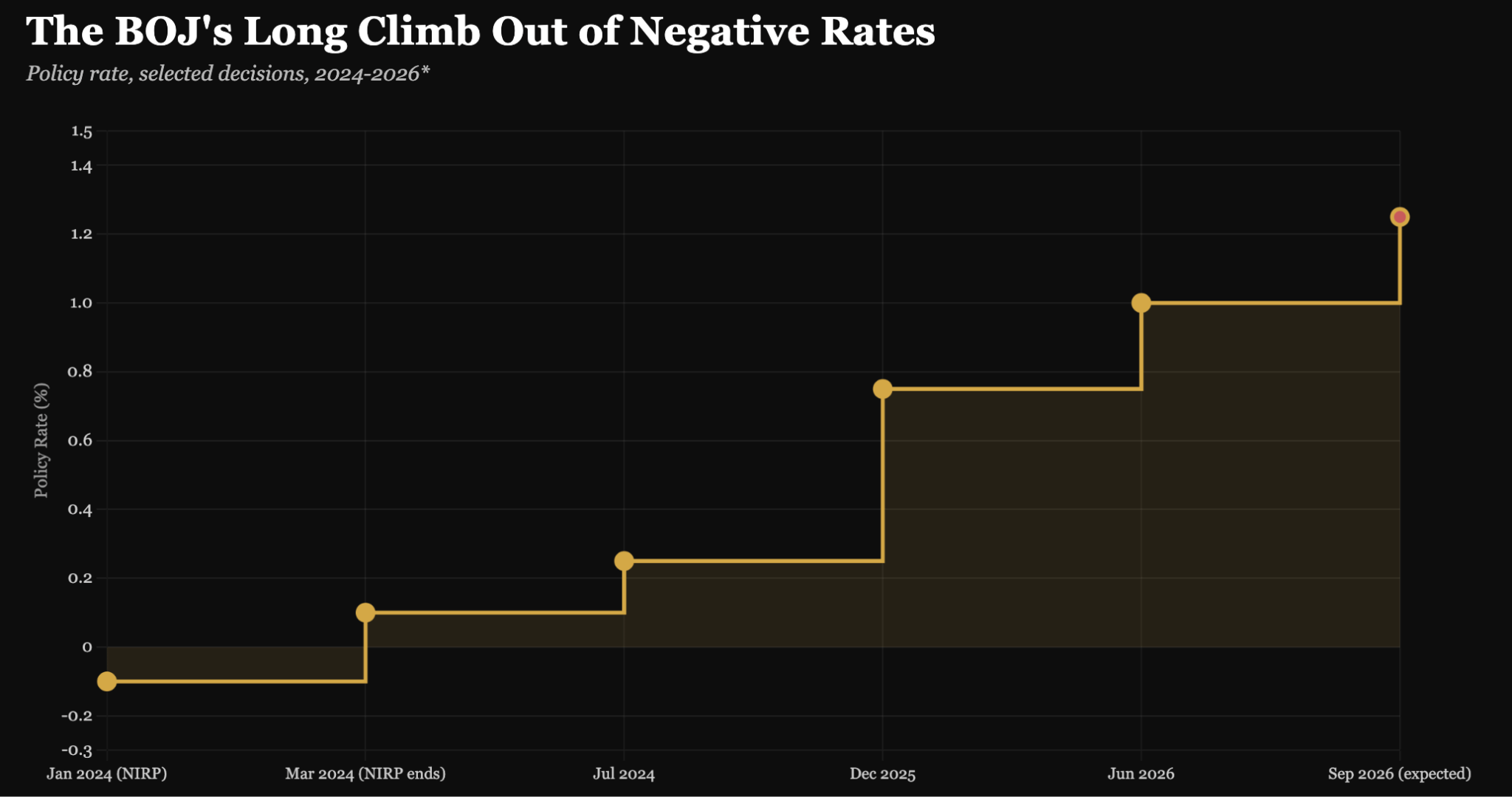
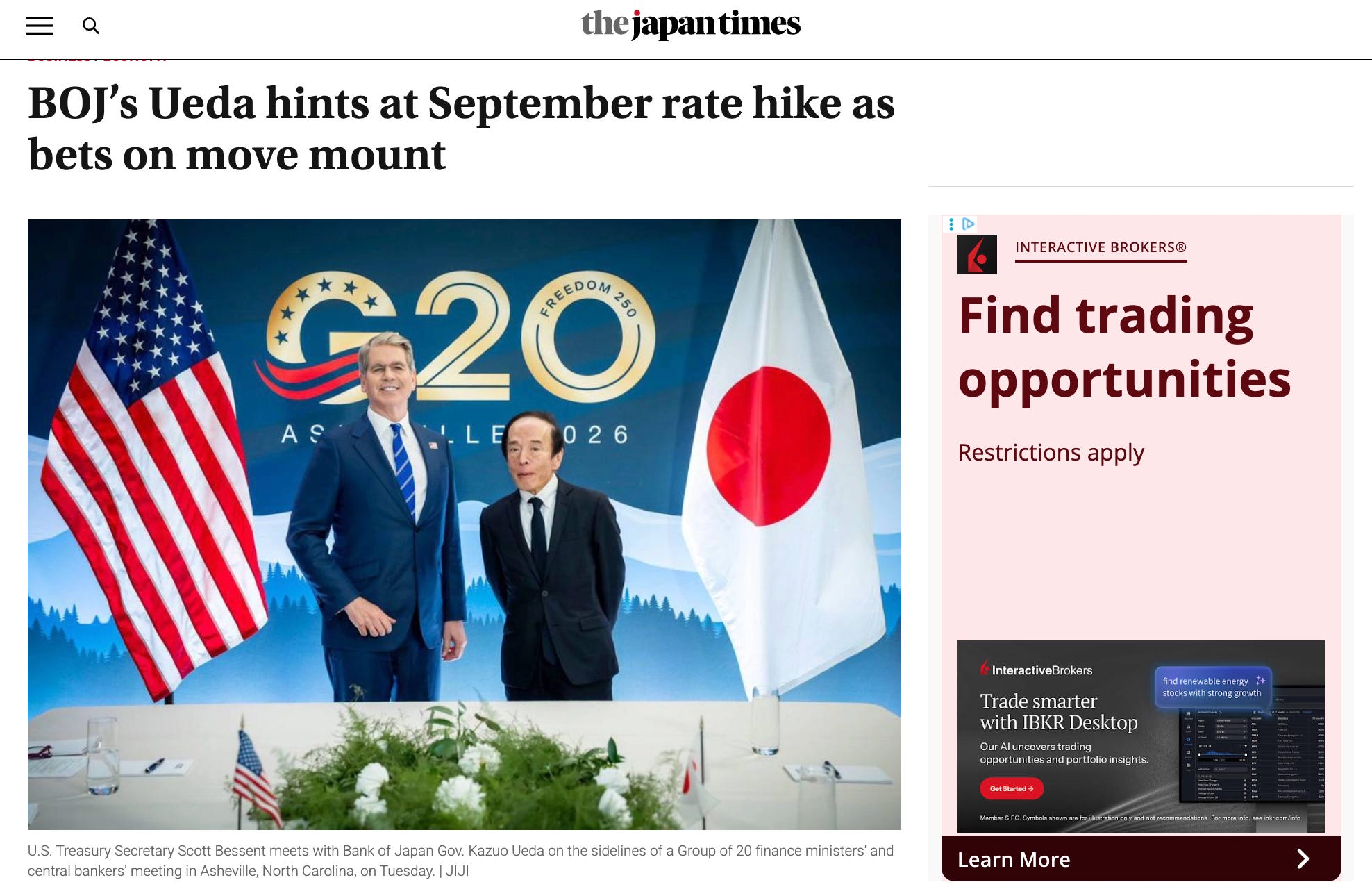
Governor Kazuo Ueda told reporters after the G20 meeting in Asheville that the board would give a hike serious consideration at its September 17-18 meeting, and market pricing has since moved to imply roughly a 99% probability that it happens.
Some of that is inflation math: Ueda said the underlying rate is now close enough to the 2% target that policymakers need to pay more attention to upside risk.
Some of it is politics dressed up as diplomacy. U.S. Treasury Secretary Scott Bessent met Ueda on the sidelines of that same summit and personally pressed him for what the Treasury described as decisive action against yen weakness.
And some of it is Prime Minister Takaichi doing an about face that would be funny if the stakes weren’t this high.
Takaichi spent years as one of the loudest voices telling the BOJ board that even discussing a hike was foolish. Stagflation changed the political math. Her approval ratings have hit record lows as households absorb energy driven inflation, and the same fiscal hawks who once wanted a weak currency to boost exports are now demanding Ueda act. A weak yen paired with expensive oil, after all, is a tax on every household that drives a car or heats a home.
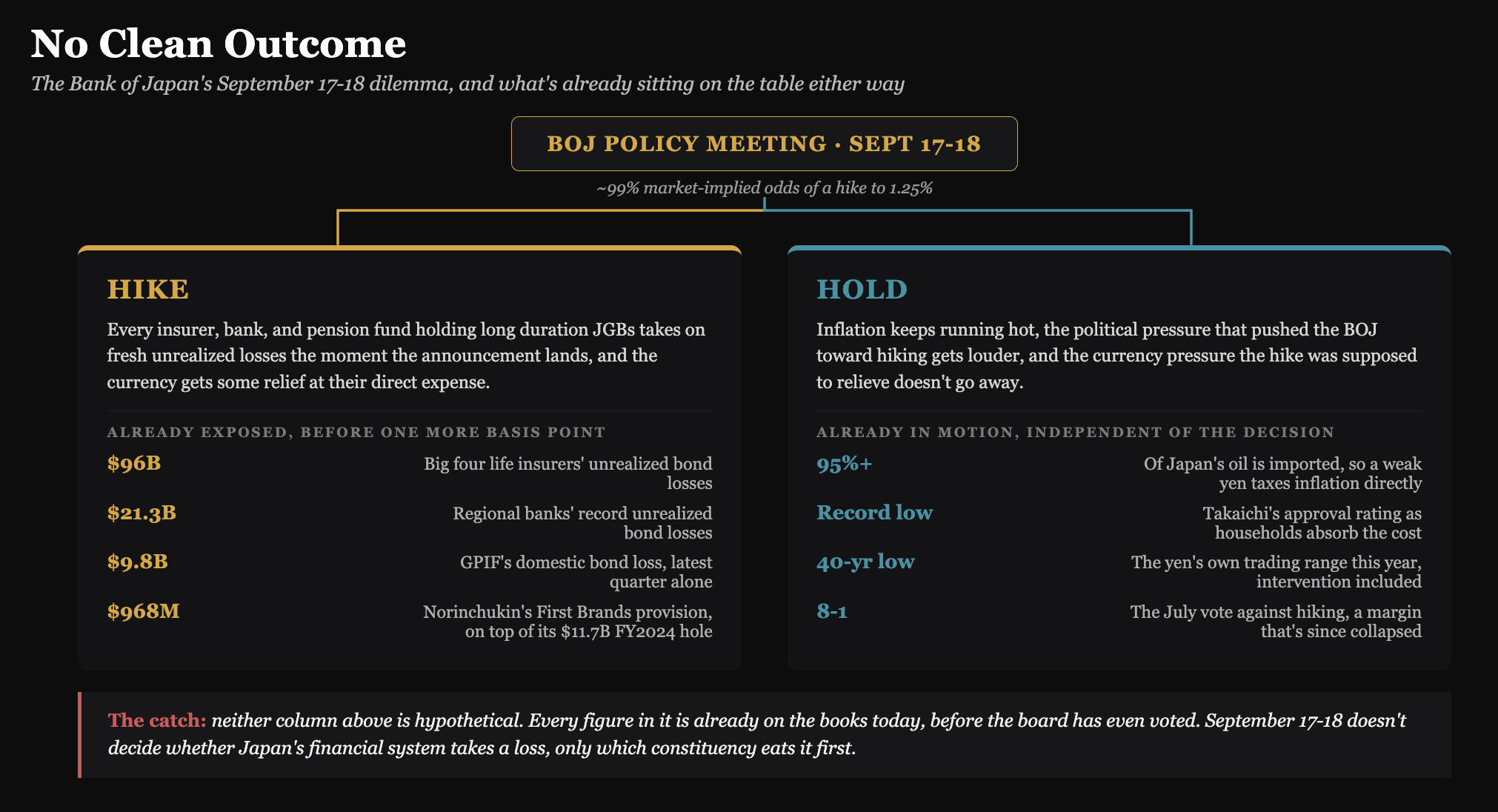
There is no clean outcome available to the board.
Hike, and every insurer, bank, and pension fund holding long duration JGBs takes on fresh unrealized losses the moment the announcement lands.
Hold, and inflation keeps running hot while the political pressure that pushed the BOJ toward hiking in the first place gets louder, and the currency pressure the hike was supposed to relieve doesn’t go away either. The board is really just choosing which constituency absorbs the pain first, and bond holders have already been losing that argument all year.
No institution shows what this repricing actually costs better than Norinchukin Bank, the central financial institution for Japan’s agricultural, forestry, and fishery cooperatives and, less obviously, one of the largest institutional buyers of foreign bonds and collateralized loan obligations on the planet.
Norinchukin spent years piling into U.S. Treasuries and European sovereign debt during the era of near zero JGB yields, chasing the spread. It’s the same carry logic driving the yen weakness discussed above, just running through an institutional balance sheet instead of a currency trader’s book.
When global rates surged, those foreign bond holdings imploded, forcing one of the largest liquidations in the bank’s history and a net loss for the fiscal year ended March 2025 of roughly ¥1.8 trillion, about $11.7 billion.
A government expert panel subsequently called on the bank to bring in more market savvy outside directors and overhaul its risk management. It amounted to a public admission that an institution built to manage farm cooperative savings had been running a hedge fund’s investment book without a hedge fund’s risk discipline.
Under new leadership, Norinchukin set a modest recovery target for fiscal 2025 of just ¥30 to 70 billion yen in annual net income, a rounding error next to the prior year’s hole but a return to black ink nonetheless.
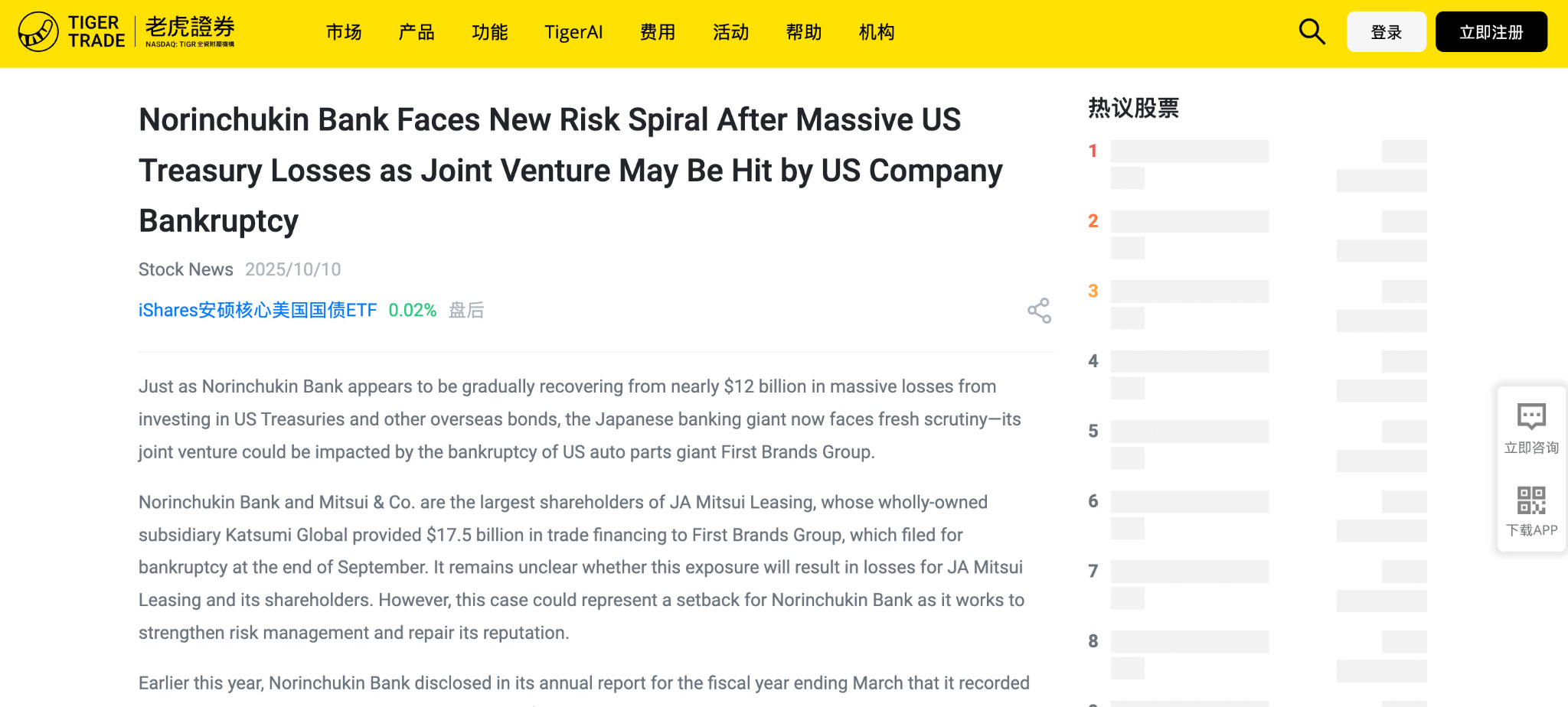
Then First Brands Group, a Texas based auto parts supplier, filed for Chapter 11 in September 2025 with liabilities listed between $10 billion and $50 billion.
It turned out that JA Mitsui Leasing, a joint venture majority owned by Norinchukin and trading house Mitsui & Co., had a subsidiary called Katsumi Global.
That subsidiary had extended roughly $1.75 billion in trade financing to First Brands, buying up some 210,000 individual receivables.
Court filings from creditor Raistone allege that as much as $2.3 billion tied to First Brands simply vanished, and U.S. prosecutors have since accused the company’s founder and his brother of a fraud scheme against lenders and financing partners.
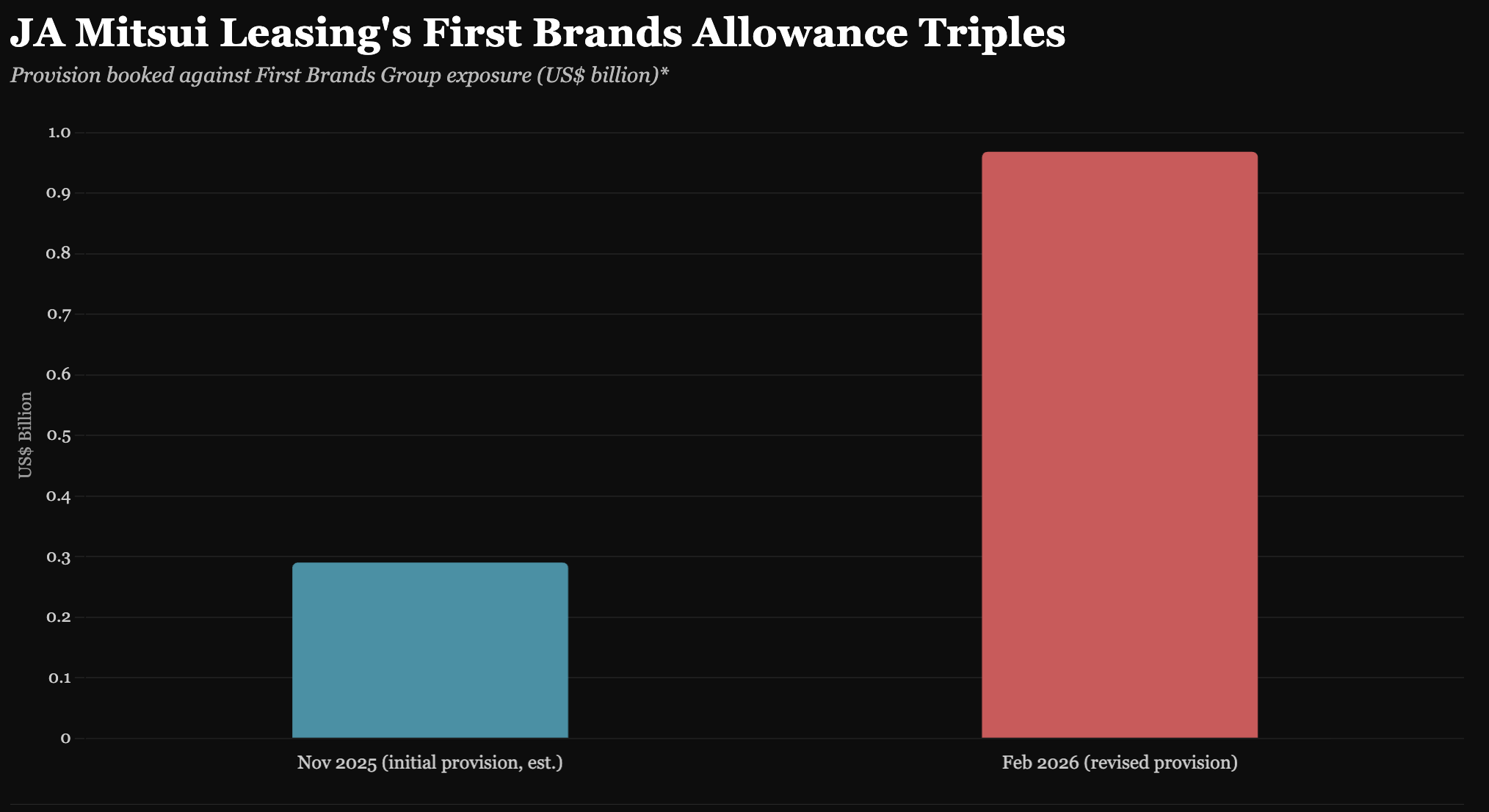
By November, JA Mitsui Leasing had set aside an initial provision.
By February 2026, that provision had more than tripled, to ¥150.5 billion, about $968 million.
Norinchukin is now discussing a capital injection into the joint venture to keep it solvent, while still insisting its full year profit target is intact.
A bank that lost $11.7 billion eighteen months ago is trying to convince the market that a fresh nine figure hit from an unrelated fraud collapse halfway around the world doesn’t change its outlook at all.
Bloomberg Intelligence analyst Hideyasu Ban framed the real risk correctly: this probably isn’t a sign of a deeper structural flaw, but it is a serious headline problem for a bank that was still trying to prove it had absorbed the lessons of the first crisis.
Reaching for yield, whether in JGBs, Treasuries, or trade receivables from a Texas auto parts company, eventually means reaching into something rotten, and Norinchukin just found that out for the second time in two years.
Widen the lens past Norinchukin and the same duration mismatch shows up across the entire regional banking system, just distributed across hundreds of smaller balance sheets instead of one large one.
It’s the same failure mode that killed Silicon Valley Bank in March 2023: not bad loans, but long dated bonds bought during the zero rate years and marked down hard once rates moved, with too little capital behind them to absorb the hit.
Japan’s version has unfolded over years rather than 48 hours, and deposit bases have stayed calm rather than fleeing. That’s the one thing keeping this a chronic problem instead of an acute one, but the underlying math doesn’t care how slowly it arrives.
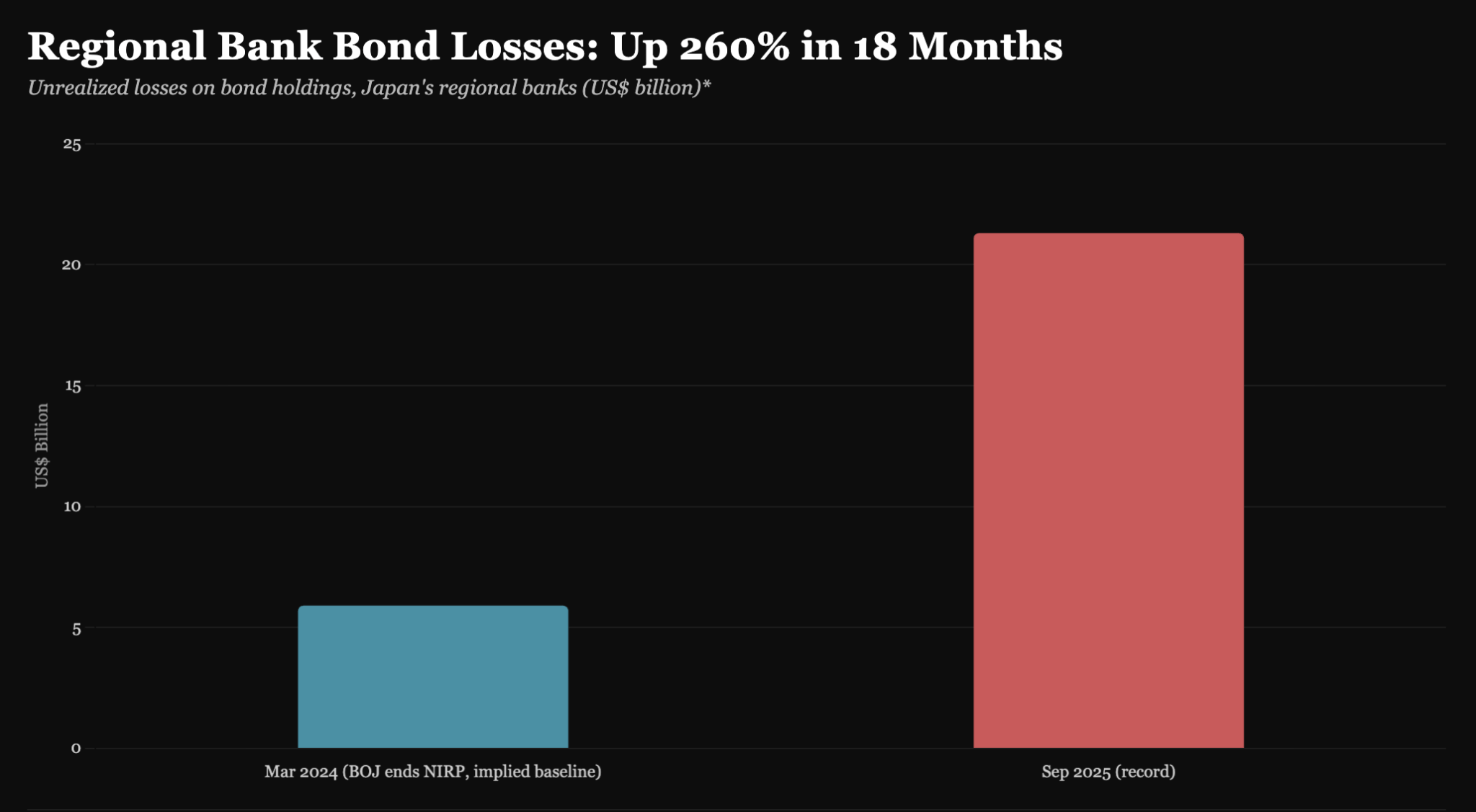
Japan’s regional banks reported record unrealized losses on their bond books of $21.3 billion in the fiscal second quarter ended September 30, 2025, a 260% increase from where losses stood back in March 2024, when the BOJ first ended negative rates.
The Financial Services Agency has responded by announcing it will inspect the government bond holdings of roughly 400 shinkin banks nationwide, aiming to finish by next March. Individual cases are already surfacing.
Wakkanai Shinkin Bank, a small credit union in Japan’s northernmost prefecture, issued ¥20 billion in preferred stock underwritten by the Shinkin Central Bank’s industry safety net after unrealized losses, almost entirely concentrated in JGBs, ate into its capital base.
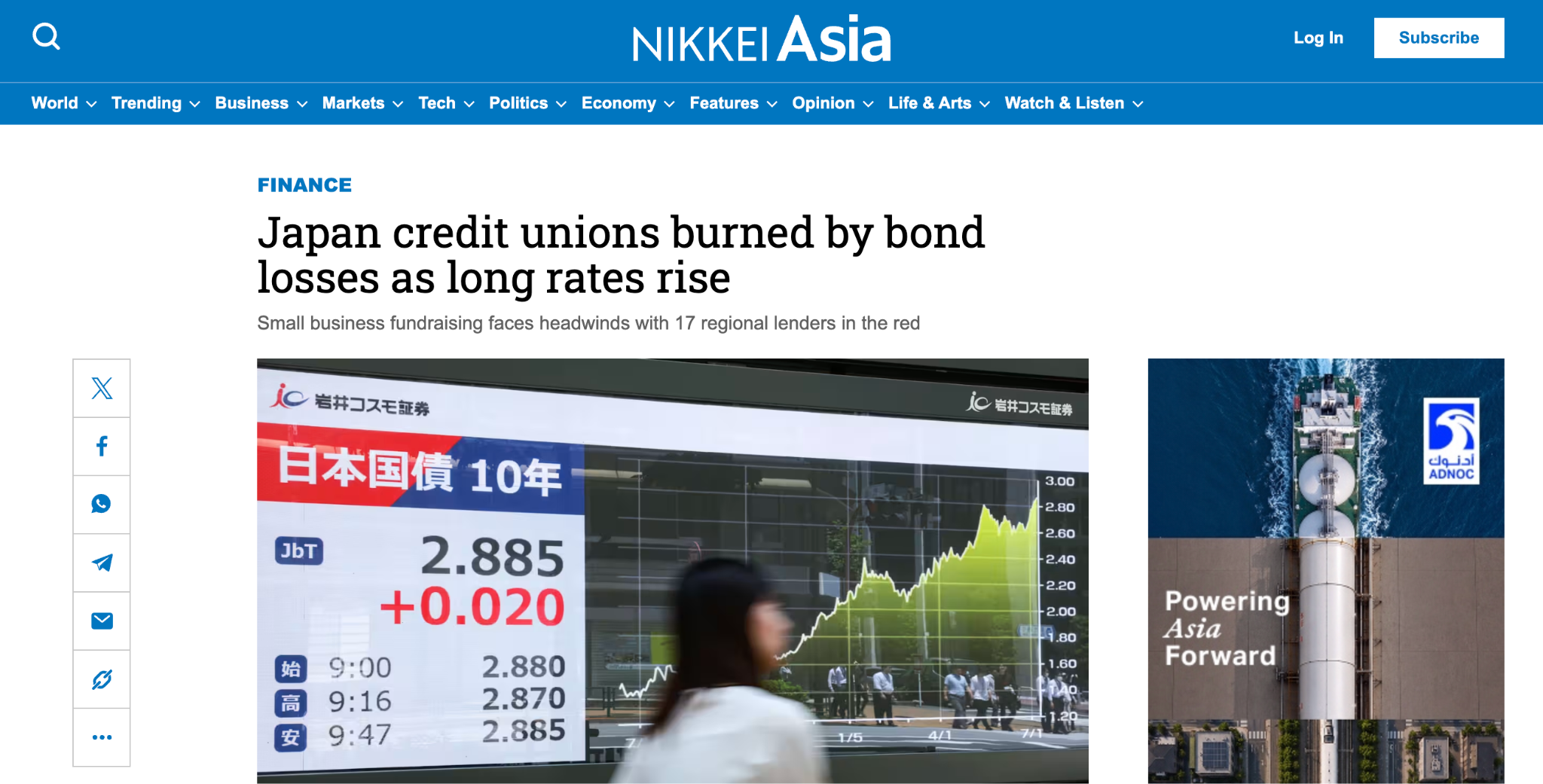
Nikkei Asia’s reporting on the broader credit union sector describes losses mounting steadily as long term rates climb, with 17 regional lenders posting outright losses for the fiscal year.
What makes this genuinely hard to read cleanly is that, in aggregate, the sector looks healthy. All 73 publicly traded regional banks and banking groups posted combined net income of ¥1.71 trillion for the fiscal year ended March 2026, up 36.7%, with roughly 90% of institutions showing profit growth as higher rates widened lending margins, which is genuinely how banks are supposed to benefit from a hiking cycle.
But that same report flagged Towa Bank, a Gunma prefecture lender, as the lone group to post a net loss, after a lump sum charge to write down unrealized losses on its government and municipal bond holdings wiped out an otherwise favorable year entirely.
One bank’s bond book was bad enough to erase the benefit of the rate environment completely. Multiply that dynamic across a few hundred smaller, less diversified institutions and the FSA’s decision to run inspections instead of press releases starts to make sense.
The inspections themselves aren’t a formality. When the FSA has found a shinkin bank’s capital position deteriorating past a comfortable threshold in the past, the standard remedy has been exactly what Wakkanai used: a capital injection routed through the Shinkin Central Bank’s industry wide safety net, funded by the healthier members of the same cooperative system, rather than a public bailout in the conventional sense. That mechanism works precisely because it keeps failures invisible to depositors and contained within the industry. It also means the true scale of stress across all 400 institutions the FSA is now reviewing won’t be fully visible from outside until the inspections wrap up next March. Any additional Wakkanais that surface between now and then will look like isolated, quietly resolved incidents rather than a pattern, at least until enough of them accumulate that the pattern becomes impossible to ignore.
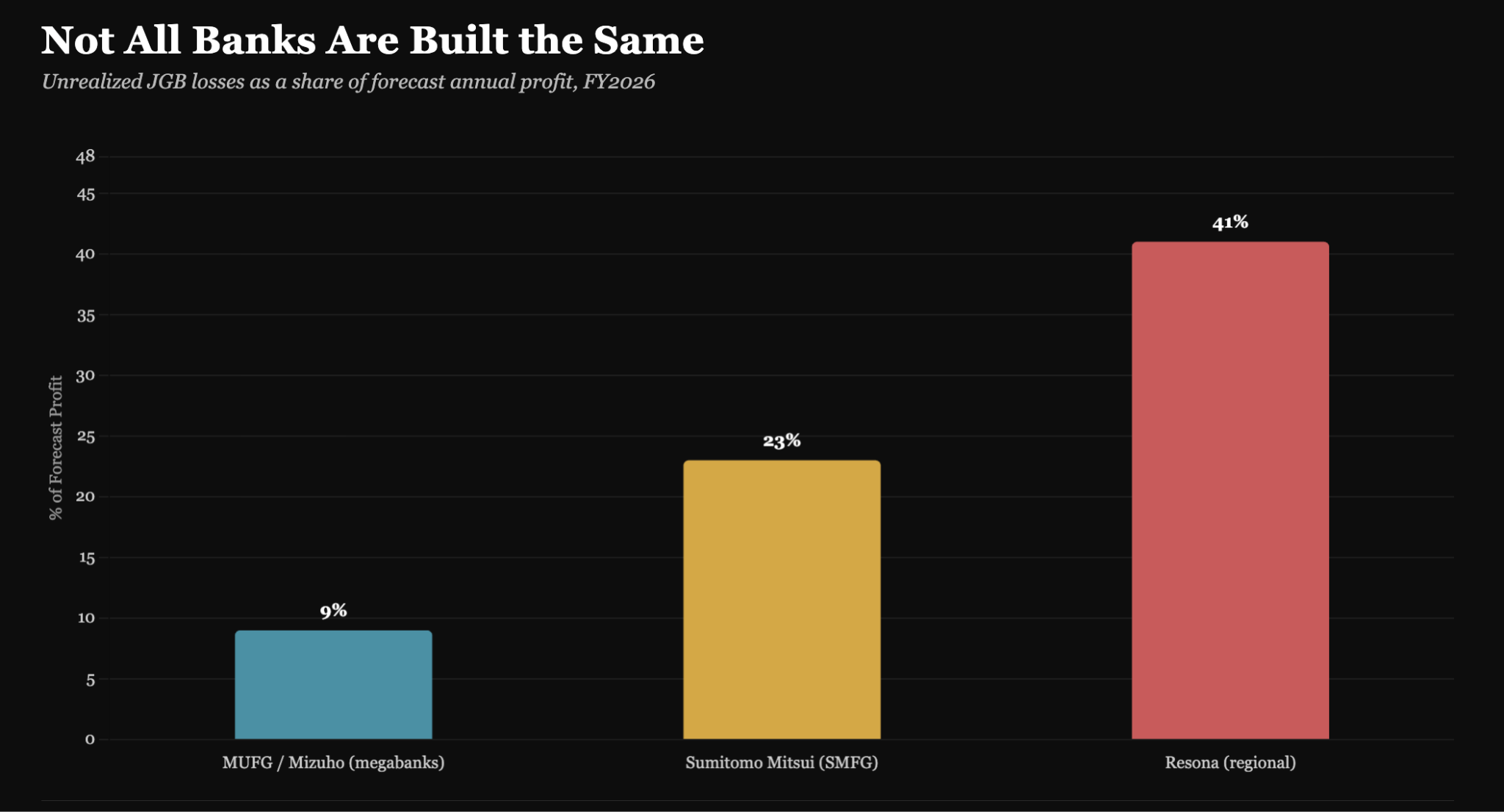
The megabanks, by contrast, are mostly fine, and the reason why is instructive. Morningstar’s analysis shows Mitsubishi UFJ and Mizuho carrying unrealized JGB losses equal to less than 9% of forecast profit, comfortably offset by unrealized equity gains elsewhere in their portfolios. Sumitomo Mitsui’s bond loss runs closer to 23% of forecast profit, still cushioned the same way. Regional lender Resona, by contrast, saw a JGB loss equal to 41% of its profit forecast, with far less of an equity cushion to absorb it.
Scale and diversification are doing all the work here: the megabanks built decades of profitability and diversified holdings deep enough to absorb this repricing, but they’re running out of room.
The insurance industry’s standard answer to all of this has been consistent for two years: these are unrealized, paper losses, insurers hold bonds to match long dated policy liabilities, and rising rates reduce the present value of those liabilities too, so on some level the two sides offset. That answer got a lot less comfortable in May.
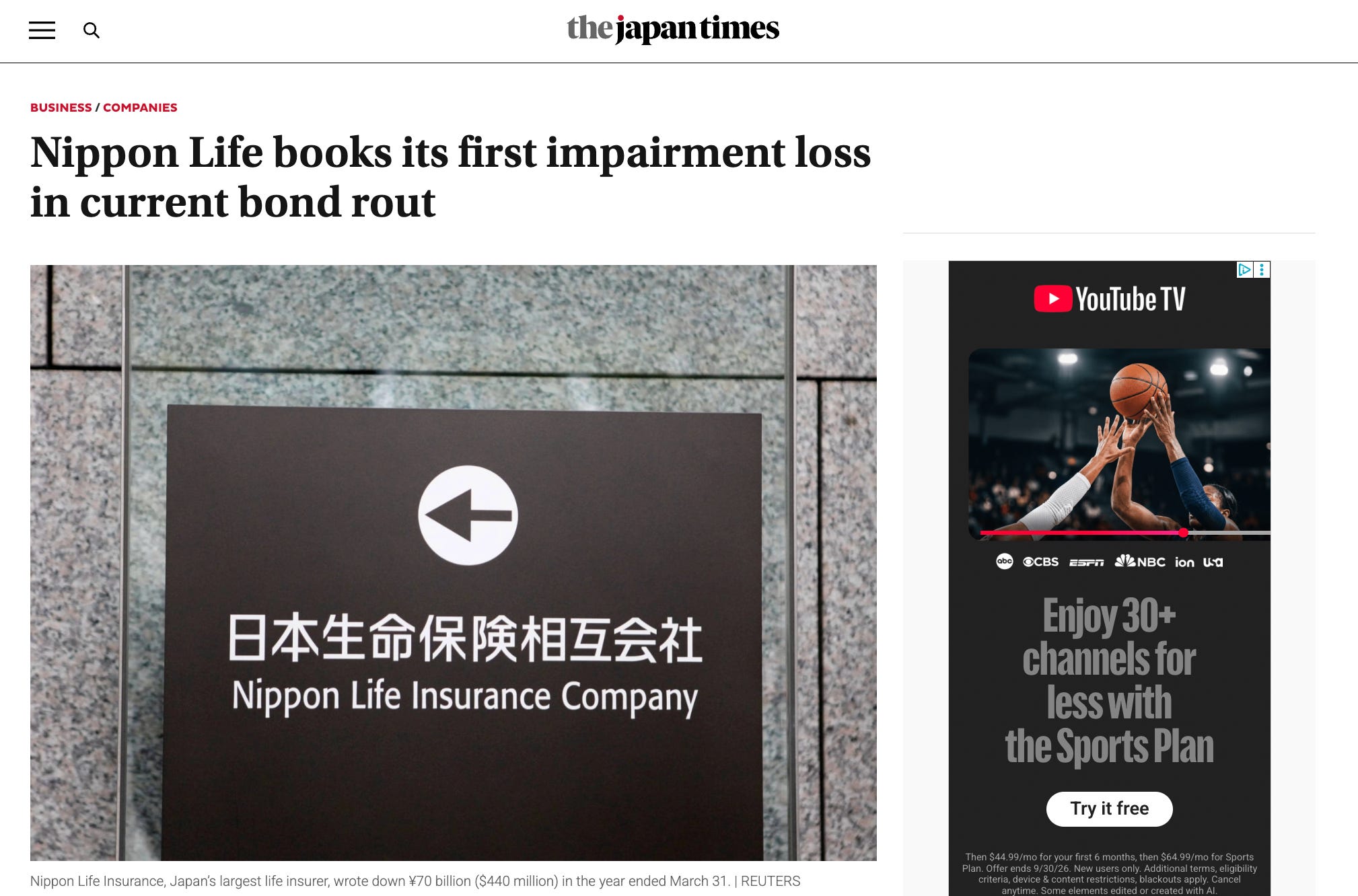
Nippon Life, the largest insurer in the country by assets, disclosed that it had booked ¥70 billion, about $440 million, in an actual impairment charge for the fiscal year ended March 2026, its first impairment since the BOJ began raising rates back in March 2024.
The market value of some of the bonds involved had fallen more than 50% from their acquisition price, which is vitally important here.
Bonds an insurer classifies as held to maturity never touch the income statement no matter how far their market price falls, on the theory that the institution will simply collect face value at redemption and the interim price swings are irrelevant.
But once a bond’s mark falls roughly in half from cost, Japanese accounting rules generally presume the decline is no longer temporary.
That forces a write down through earnings regardless of intent to hold, and it’s exactly the threshold Nippon Life crossed.
It’s also a purely mechanical trigger tied to how far yields have moved, not to any judgment call by the insurer, which means more of these thresholds get crossed automatically as the long end keeps climbing, at more insurers, without anyone at those companies deciding anything at all.
The scale behind that single impairment keeps expanding.
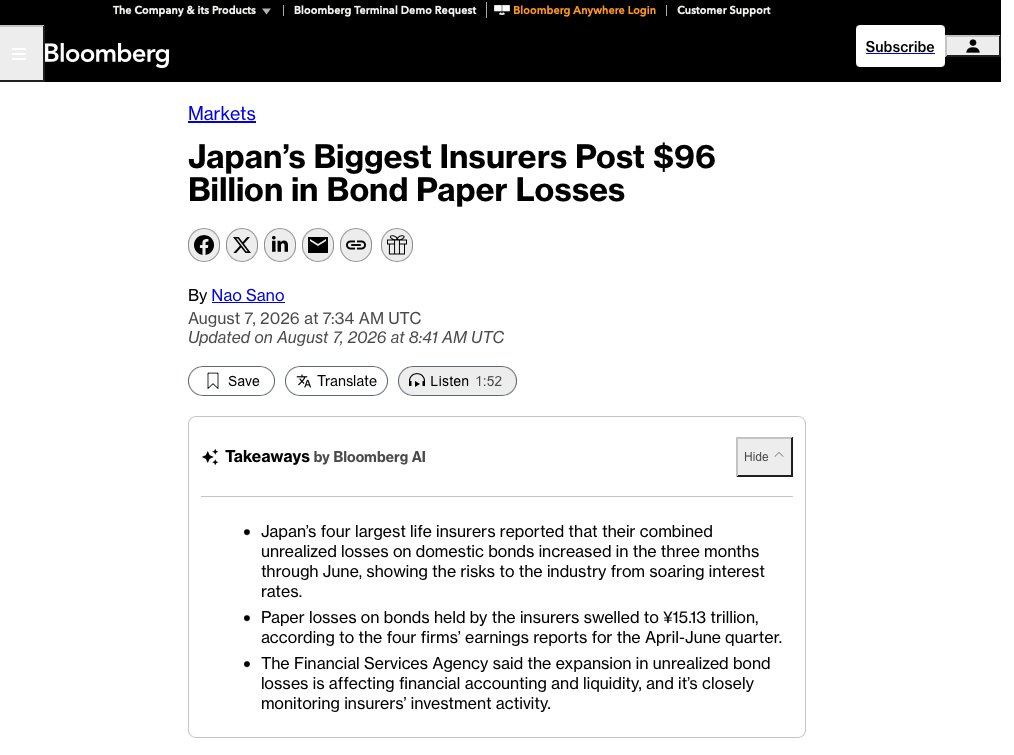
By the end of March 2026, unrealized losses on domestic bonds across Japan’s four largest life insurers, Nippon Life, Dai ichi Life, Sumitomo Life, and Meiji Yasuda, had swelled to ¥14 trillion, a more than 60% jump in a single year.
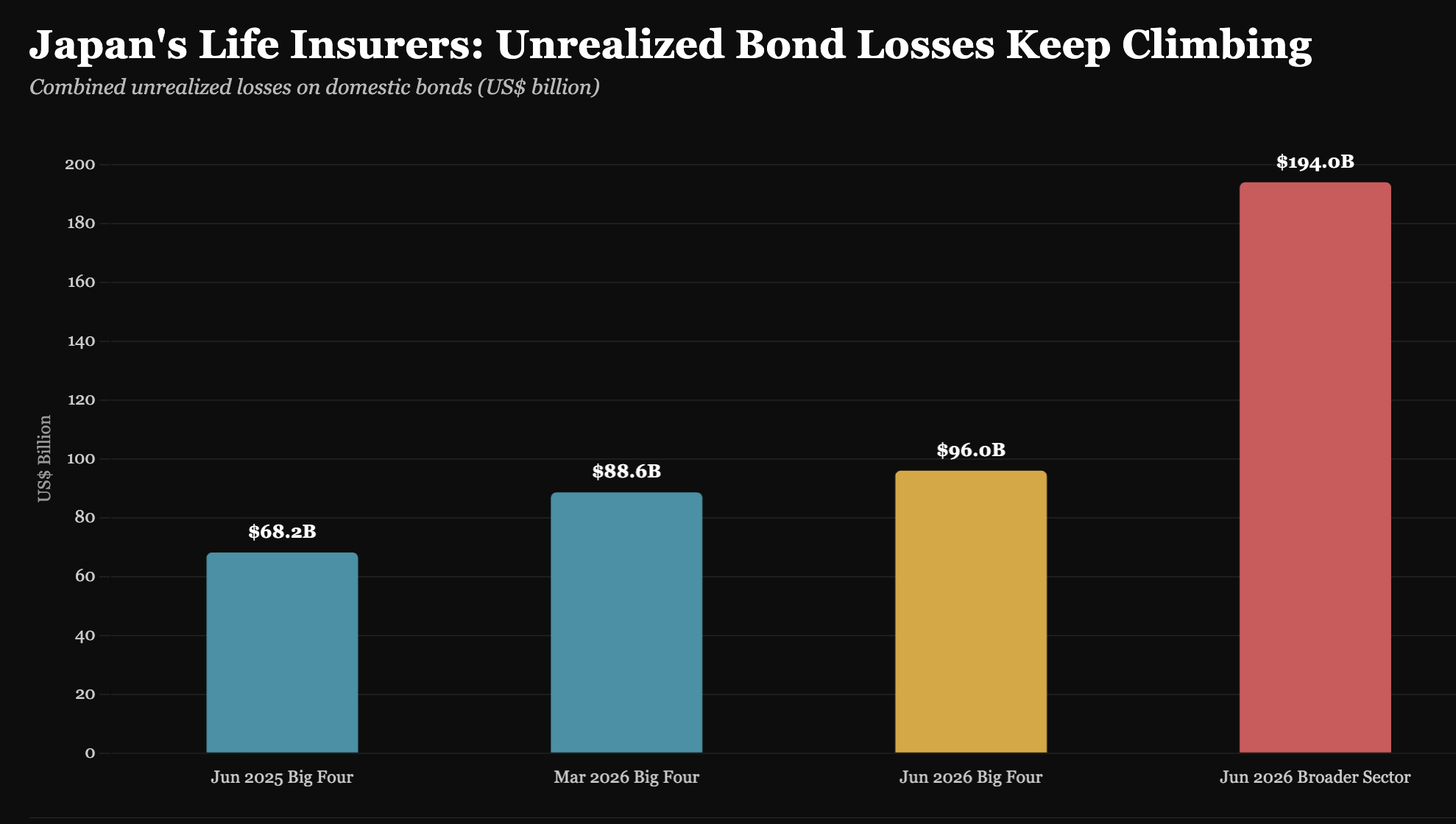
By the end of June 2026, the figure had climbed further, to ¥15.13 trillion, roughly $96 billion, a 7% increase in just three months. Every single one of the four insurers saw its losses grow that quarter. Widen the lens to the broader group of major life insurers Nikkei Asia tracks, not just the top four, and total unrealized bond losses hit ¥30.86 trillion, close to $194 billion, as of the same date.
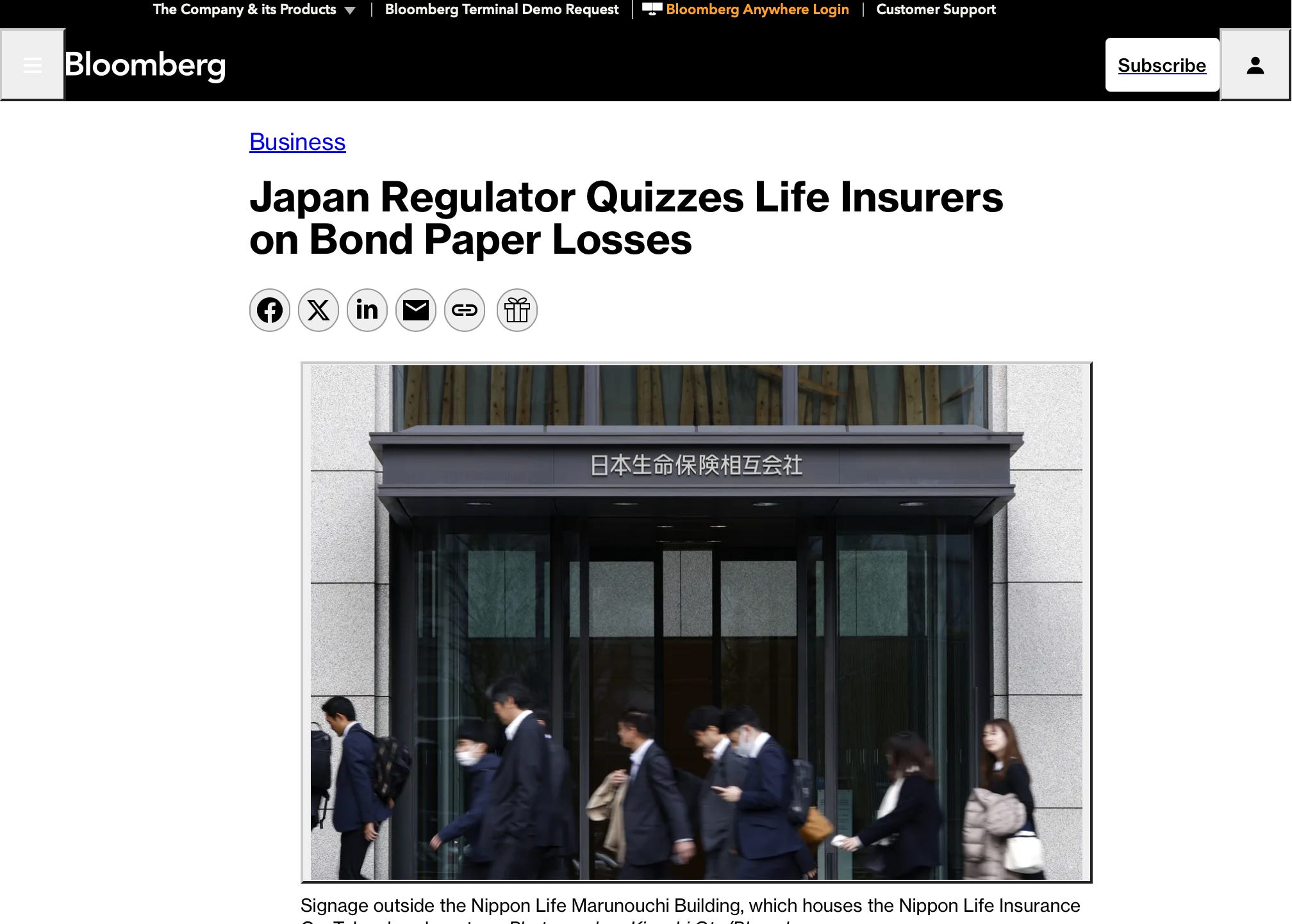
Regulators aren’t treating this as background noise. Japan’s Financial Services Agency moved up its regular health checks on major life insurers back in January, sending Nippon Life and its peers detailed questions about the scale of their unrealized securities losses, what actions they’d taken in response, and what their forward investment plans looked like.
Regulators don’t accelerate their supervisory calendar because everything is fine.
If surrender rates start climbing, if enough people decide they’d rather cash out a whole life policy than watch its guaranteed return get outpaced by money market yields, insurers get forced to sell bonds before maturity to fund those redemptions, and selling locks in the loss.
It converts an accounting fiction into a real hole in the balance sheet.
Nobody is forecasting a surrender wave today, but then again, nobody was forecasting a fraud driven auto parts bankruptcy blowing a hole in a Japanese agricultural bank’s balance sheet either.
The same pattern shows up one more time, at an even bigger scale, inside Japan’s Government Pension Investment Fund, the largest pension fund on the planet, managing a record ¥293.6 trillion, roughly $1.9 trillion.
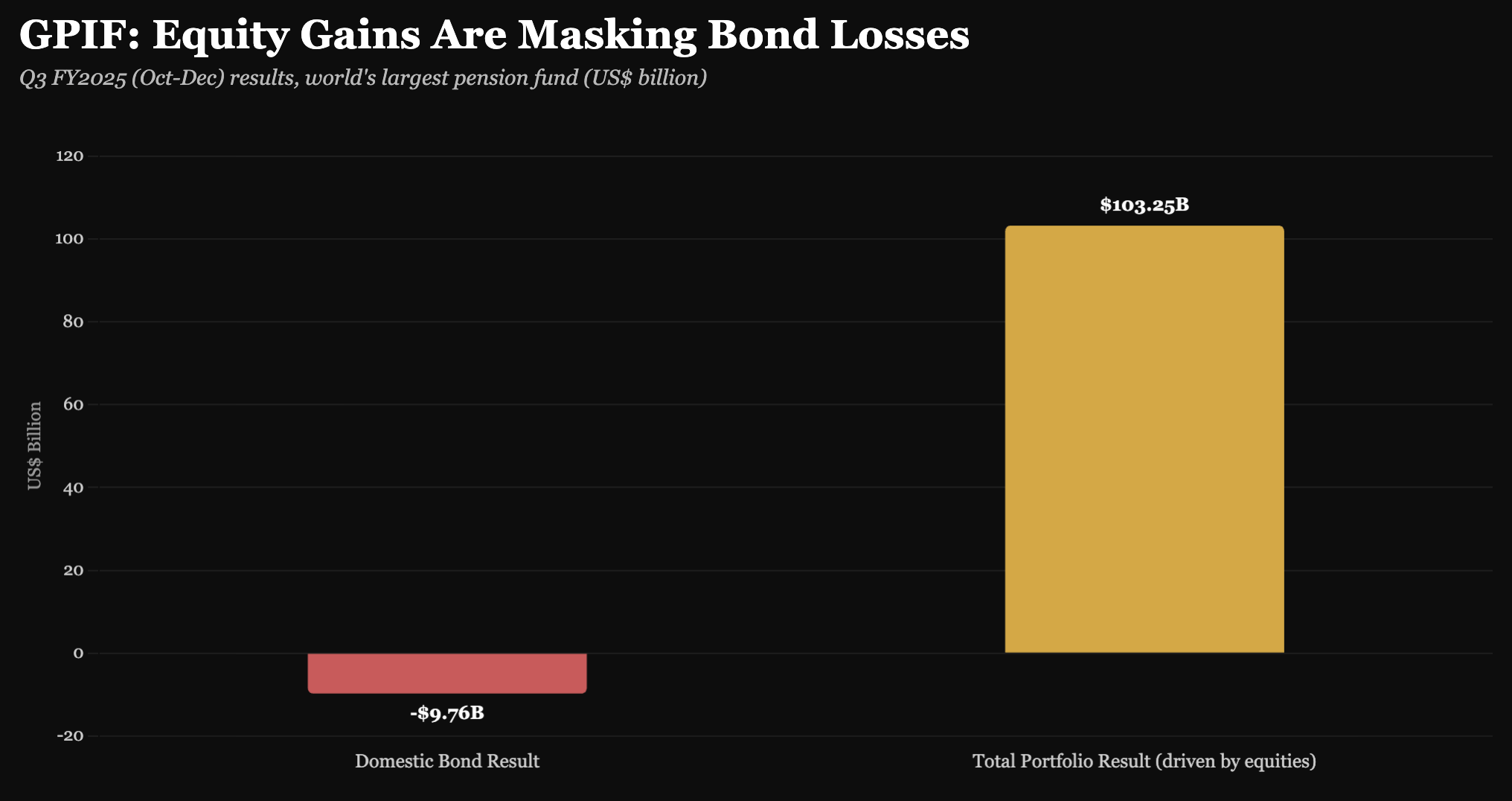
GPIF has now lost money on its domestic bond holdings for seven straight quarters through the April to June period. In the October to December quarter alone, the fund booked a domestic bond loss of ¥1.53 trillion, roughly $9.8 billion.
Blowout gains in domestic and foreign equities, ¥16.19 trillion, about $103.25 billion, kept the fund’s headline return firmly positive anyway. GPIF gets to hide its bond losses behind its stock portfolio in a way a life insurer or a shinkin bank simply can’t.
That size and diversification is exactly why GPIF matters for the story beyond its own balance sheet.
Analysts now argue the fund would be justified in raising its target allocation to domestic bonds from the current 25%, precisely because yields have finally become attractive enough to bother. That kind of shift would mean buying more JGBs and, in the process, likely trimming its foreign bond holdings, a category that includes a considerable pile of U.S. Treasuries.
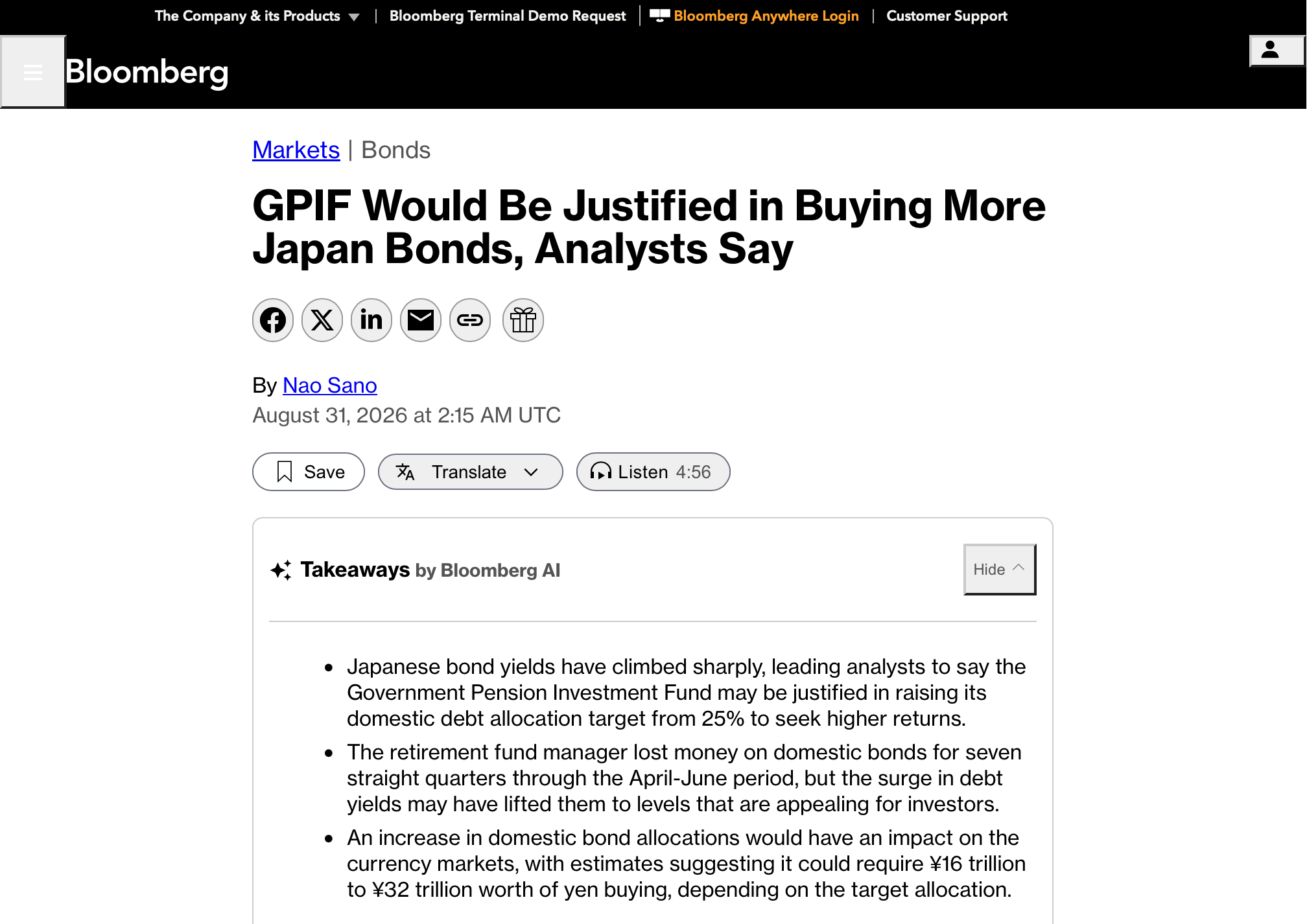
Bloomberg has reported Tokyo currently has no plans to overhaul that allocation, and markets reacted to the headline anyway, which tells you how much appetite there is out there for Japan’s biggest pool of capital to start repatriating.
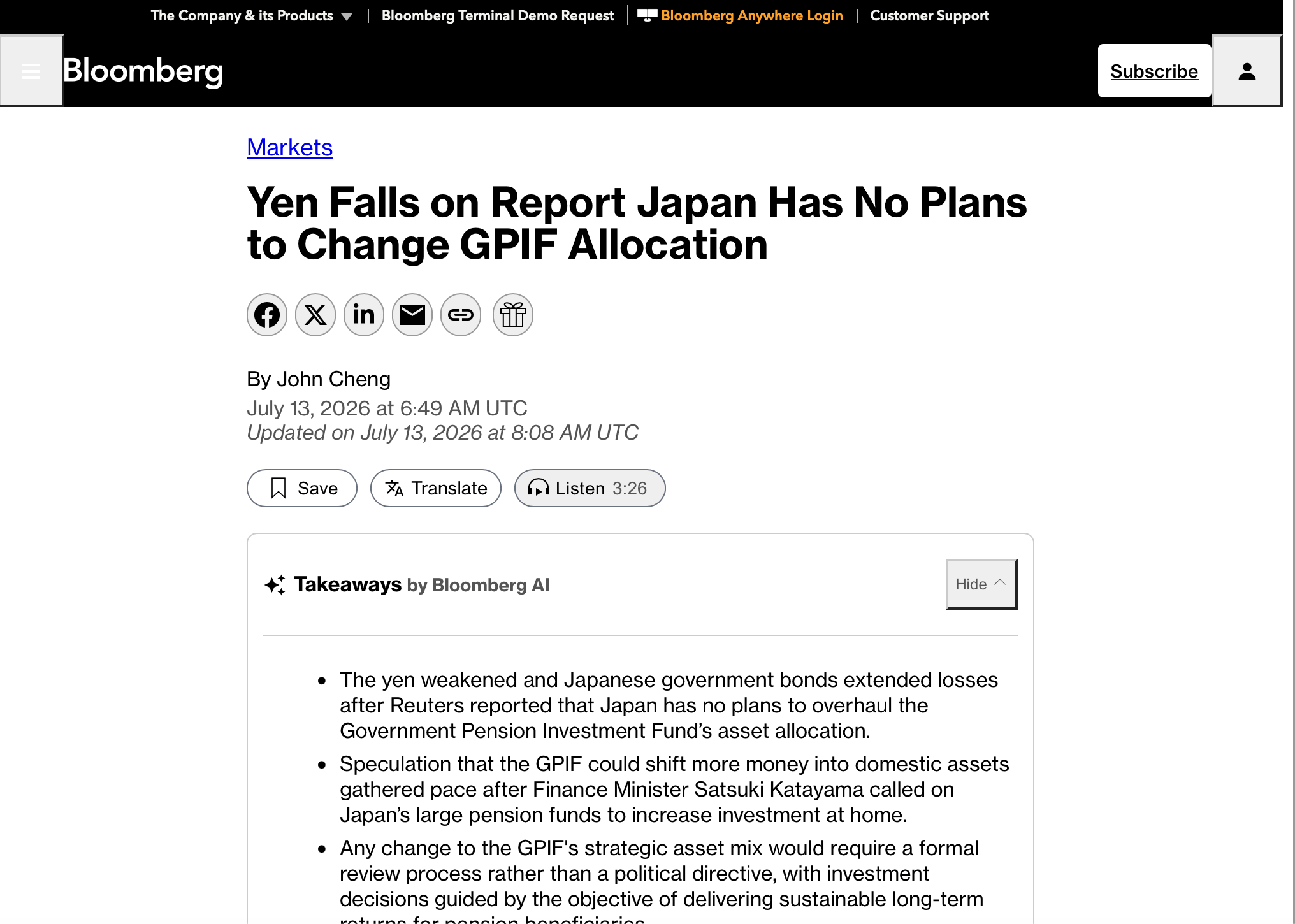
If GPIF ever does pull that trigger, it would be one of the largest reallocations of pension capital in history, and it would land directly on the same U.S. Treasury market already straining under record issuance and thinning foreign demand.
There’s a structural reason GPIF can’t simply sidestep this the way a more nimble investor might.
Since 2014 the fund has run a deliberately mechanical four asset model, domestic bonds, foreign bonds, domestic equities, and foreign equities, held in roughly equal weight and rebalanced back toward those targets whenever markets push the portfolio away from them. That discipline is generally a virtue; it’s what stopped GPIF from chasing yield into the kind of foreign credit exposure that hurt Norinchukin.
But it also means the fund is mandated to hold a quarter of its book in JGBs almost regardless of what the market is telling everyone else about their trajectory. That mandate guarantees GPIF keeps absorbing losses on that sleeve for as long as yields keep climbing.
Every financial institution in Japan- an agricultural lender, four of the largest insurers on earth, hundreds of credit unions, and the world’s biggest pension fund, is bleeding from the exact same wound at the exact same time.
Three decades of yields near zero got repriced in the span of about two years, and nobody built enough capital to absorb that shock painlessly.
What’s next?
Well, the Bank of Japan’s board walks into its meeting on September 17th and 18th facing a decision that cannot make any of them whole.
Hike, and the losses documented above get worse before they get better. Hold, and the inflation and currency pressure that made the hike necessary in the first place just gets worse instead.